
Traditional SEO vs AI SEO: Understanding the Differences & Building Future-Ready Content | Search is changing rapidly. Traditional SEO has long been the foundation of online visibility, helping websites rank through keywords, backlinks, and technical optimization. However, the rise of AI-powered search engines, answer engines, and generative AI platforms is transforming the way users discover and interact with content online.
AI SEO focuses on creating content that not only ranks in search engines but also aligns with AI-driven search experiences, conversational queries, and user intent. As artificial intelligence continues to influence search behavior, businesses and content creators must adapt their strategies to remain competitive.
Understanding the differences between Traditional SEO and AI SEO is now more important than ever. By combining proven SEO fundamentals with AI-focused optimization strategies, businesses can create future-ready content that maintains visibility, improves engagement, and supports long-term digital growth.
Understanding Traditional SEO: Definition, Basics & Importance
Traditional SEO vs AI SEO: Understanding the Differences & Building Future-Ready Content | Traditional SEO is the process of optimizing websites to improve their visibility and rankings on search engine results pages (SERPs), especially on platforms like Google and Bing. Its primary goal is to attract organic traffic by helping search engines understand and rank website content effectively.
Core Components of Traditional SEO Include:
- Keyword research and strategic keyword placement
- On-page optimization such as titles, headings, and meta descriptions
- Building backlinks and improving domain authority
- Technical SEO, including site speed, mobile-friendliness, crawlability, and indexing
- Creating optimized content designed to rank for specific search queries
Traditional SEO is based on the idea that users enter keywords into search engines, review the search results, and click on the most relevant pages to find the information they need.Traditional SEO vs AI SEO: Understanding the Differences & Building Future-Ready Content |

What Is AI SEO? Understanding the Future of Search Optimization
AI SEO is the process of optimizing content for AI-powered search systems and generative search experiences. Instead of focusing only on traditional rankings, AI SEO helps content become easier for artificial intelligence tools to understand, summarize, and present directly to users.
Modern AI-driven platforms such as Google AI Overviews, Microsoft Bing Copilot, and OpenAI ChatGPT are changing how people search for information online.
AI SEO Focuses On:
- Understanding search intent beyond exact keywords
- Providing clear, direct, and structured answers
- Building strong entity relationships and contextual relevance
- Improving semantic understanding of content
- Using schema markup and machine-readable data
Unlike traditional SEO, which mainly aims to rank web pages in search results, AI SEO focuses on helping content become the actual answer surfaced by AI-powered search engines and generative tools.
How AI SEO Is Transforming Modern Digital Marketing
Traditional SEO vs AI SEO: Understanding the Differences & Building Future-Ready Content | Yes AI SEO has significantly transformed the digital marketing landscape. The way users search for information, consume content, and interact with search engines is evolving faster than ever before.
Traditional SEO primarily focused on improving rankings within search engine results pages. However, AI SEO expands beyond rankings and concentrates on visibility across AI-powered search experiences and answer-based platforms.
AI SEO Has Changed Several Key Areas of Marketing:
- How users discover information through direct AI-generated answers instead of only clicking website links
- How website traffic is distributed, with fewer users relying solely on traditional “blue-link” search results
- How authority and trust are measured, with greater emphasis on accuracy, expertise, structure, and contextual relevance
- How content is optimized for conversational search queries and semantic understanding
- How AI systems interpret entities, relationships, and user intent rather than exact-match keywords alone
Platforms powered by artificial intelligence, such as Google AI Overviews, Microsoft Bing Copilot, and OpenAI ChatGPT, are reshaping how content is surfaced and consumed online.
Traditional SEO vs AI SEO: Understanding the Differences & Building Future-Ready Content | While Traditional SEO focused mainly on achieving higher rankings, AI SEO focuses on ensuring content remains discoverable, trustworthy, and useful across modern AI-driven search environments.
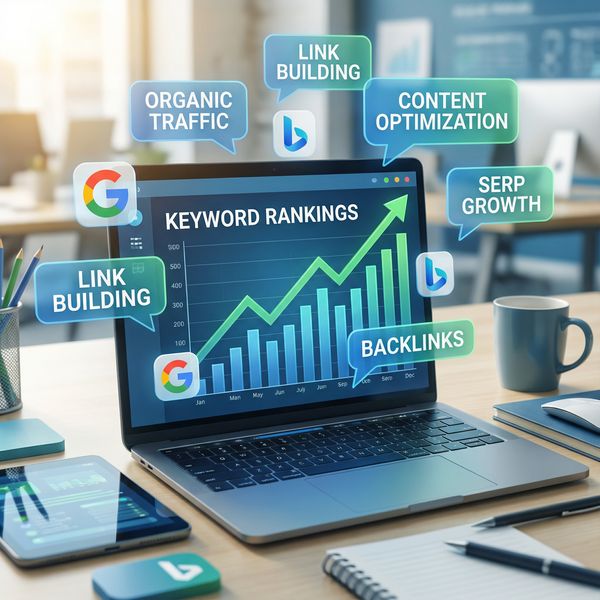
Traditional SEO vs AI SEO: Major Differences You Need to Know
- Discovery Model
Traditional SEO:
Users search using keywords, browse search engine results pages, and click on relevant website links.
AI SEO:
Users ask conversational questions, and AI-powered systems generate summarized answers using trusted sources and contextual information.
How to Future-Proof Your SEO Strategy for the AI Search Era
To remain competitive in the evolving search landscape, businesses must combine strong Traditional SEO foundations with modern AI-focused optimization strategies. Search engines and AI-powered platforms now prioritize content that is clear, trustworthy, structured, and highly relevant to user intent.
1. Prioritize Clear Structure and Readability
Organize content in a way that is easy for both users and AI systems to understand.
Best Practices Include:
- Clear headings and subheadings
- Short, readable paragraphs
- Logical content flow
- Organized formatting and structure
Well-structured content improves user experience while also helping AI systems interpret information more effectively.
2. Provide Direct Answers Under Each Heading
AI-powered search systems prefer concise and factual answers.
Example:
What is Traditional SEO?
Traditional SEO vs AI SEO: Understanding the Differences & Building Future-Ready Content | Traditional SEO is the process of optimizing websites to improve rankings on search engines through keyword targeting, technical optimization, and backlink strategies.
Adding clear answers directly beneath headings increases the chances of appearing in AI-generated summaries and featured results.
3. Focus on User Intent Instead of Only Keywords
Modern SEO strategies should prioritize understanding what users actually want to know.
Focus Areas:
- User intent
- Contextual relevance
- Conversational search queries
- Follow-up questions and related topics
This approach helps content feel more complete, natural, and useful for both users and AI-driven search systems.
4. Optimize for Both Search Engines and AI Platforms
A successful modern SEO strategy combines traditional optimization techniques with AI-ready content practices.
Combine:
- On-page SEO optimization
- Internal linking strategies
- Structured data and schema markup
- Semantic content organization
Using schema markup helps AI systems better understand the meaning, relationships, and context within your content.
5. Create Content for Humans First
AI-powered systems increasingly reward content that demonstrates:
- Natural language
- Accuracy
- Helpfulness
- Expertise and trustworthiness
Avoid keyword stuffing, robotic writing, or over-optimization. Content should provide genuine value and solve user problems clearly.
6. Monitor Visibility in AI Search Experiences
SEO success is no longer measured only by rankings and clicks.
Important AI SEO Signals Include:
- Brand mentions in AI-generated answers
- Citations in AI-powered search tools
- Knowledge graph visibility
- Topical authority and trust signals
Tracking these signals can help businesses understand how their content performs across modern AI-driven search environments.
By blending Traditional SEO fundamentals with AI-focused optimization strategies, businesses can create future-ready content that remains visible, competitive, and valuable in the rapidly evolving digital search landscape. Semantic content organization
Using schema markup helps AI systems better understand the meaning, relationships, and context within your content.
Traditional SEO vs AI SEO: Understanding the Differences & Building Future-Ready Content | Tracking these signals can help businesses understand how their content performs across modern AI-driven search environments.
By blending Traditional SEO fundamentals with AI-focused optimization strategies, businesses can create future-ready content that remains visible, competitive, and valuable in the rapidly evolving digital search landscape.
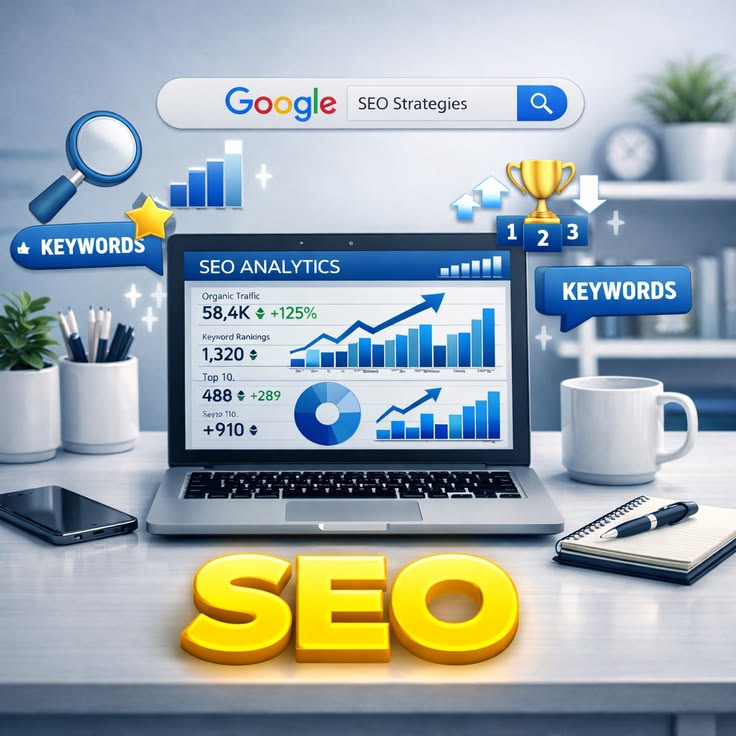
Future-Ready SEO: How to Combine Traditional SEO with AI-Driven Optimization
The future of search optimization is not about choosing between Traditional SEO and AI SEO it’s about combining both strategies to build stronger, future-ready digital visibility.
Traditional SEO vs AI SEO: Understanding the Differences & Building Future-Ready Content | Traditional SEO still provides the essential foundation for search performance, while AI SEO helps content remain discoverable across modern AI-powered search experiences and answer engines.
What to Continue Using from Traditional SEO
Traditional SEO fundamentals remain highly important for long-term search success.
Key Elements Include:
- Strong technical SEO foundations
- High-quality backlinks and domain authority
- Optimized website architecture and navigation
- Fast-loading, mobile-friendly pages
- Strategic keyword optimization
These practices help search engines crawl, index, and rank content effectively.
What to Add for AI SEO
AI-driven search systems require content that is easier to interpret, summarize, and trust.
Important AI SEO Strategies Include:
- Clear and structured content formatting
- Schema markup and machine-readable data
- Entity-based optimization and contextual relevance
- Direct, concise, and authoritative answers
- Semantic content focused on user intent
AI systems prioritize content that provides accurate information quickly and clearly.
Why Combining Both Strategies Matters
When Traditional SEO and AI SEO work together, businesses can create content that:
- Ranks well in search engines
- Performs better in AI-generated search experiences
- Improves user engagement and trust
- Increases visibility across multiple platforms
- Builds long-term topical authority
Traditional SEO vs AI SEO: Understanding the Differences & Building Future-Ready Content | The most successful SEO strategies moving forward will balance technical optimization, high-quality content, and AI-friendly structure to maximize online visibility and future-proof digital growth.