
How to Get Started with Digital Marketing: A Beginner’s Guide Digital marketing basics include strategies like SEO, PPC, and social media marketing to help grow your business online. Learn the key components to get started and achieve success in the digital world.
Digital marketing basics play a vital role in helping businesses grow in today’s competitive online landscape. Whether you run a startup or an established brand, understanding essential strategies like SEO, content marketing, social media management, and email marketing can help you attract the right audience and increase conversions.
These proven techniques not only improve online visibility but also drive engagement, boost website traffic, and maximize sales. With the right approach and tools, you can create results-driven campaigns. This guide explores the key pillars of digital marketing and equips you with the knowledge needed to succeed.
What is Digital Marketing?
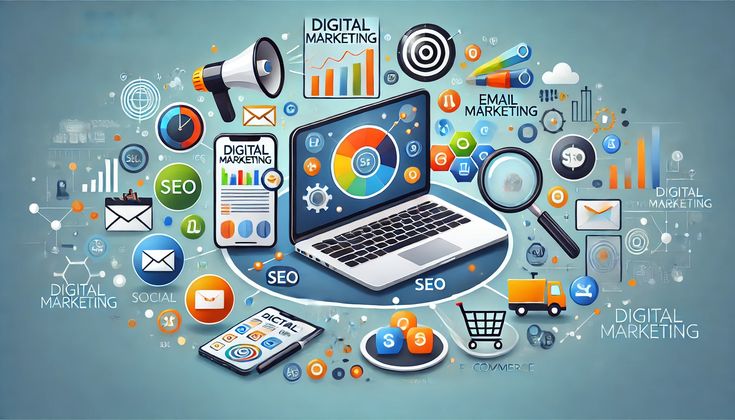
Digital marketing basics refer to the core strategies and techniques used to promote products, services, or brands through online channels. These include key methods such as social media marketing, search engine optimization (SEO), content marketing, email campaigns, and pay-per-click (PPC) advertising. By leveraging digital platforms like websites, search engines, and social media, businesses can effectively connect with their target audience and drive sustainable growth.
One of the biggest advantages of digital marketing is its measurability, allowing businesses to track performance metrics such as engagement, conversions, and sales. As more consumers rely on the internet for research and purchasing decisions, mastering digital marketing fundamentals has become essential for businesses of all sizes. With the right tools and strategies, companies can create impactful campaigns that deliver real results.
Types of Digital Marketing :How to Get Started with Digital Marketing
Digital marketing basics include a wide range of strategies and techniques that businesses use to promote their products or services online. As the digital landscape continues to evolve, understanding and applying these core components is essential for driving business growth and staying competitive. Below are some of the most effective and widely used types of digital marketing:
1.Search Engine Optimization (SEO):
SEO is a core component of digital marketing that focuses on improving a website’s ranking in search engine results pages (SERPs). By optimizing on-page elements such as content, keywords, and meta tags, along with off-page strategies like backlink building, SEO helps increase organic traffic. A well-implemented SEO strategy ensures your website is easily discoverable by potential customers searching for relevant products or services.
2.Pay-Per-Click (PPC) Advertising:
PPC is a popular online advertising model in which businesses pay only when someone clicks on their ads. These ads are displayed on platforms like Google, Facebook, Instagram, and LinkedIn. With advanced targeting options and real-time analytics, PPC helps businesses reach the right audience and quickly drive traffic to their websites.
3.Content Marketing:
Content marketing focuses on creating and sharing valuable, relevant, and consistent content to attract and engage a target audience. This includes formats such as blog posts, eBooks, videos, infographics, and case studies that provide meaningful value. By delivering informative and engaging content, businesses can build trust, nurture long-term relationships, and establish themselves as industry leaders.
4.Social Media Marketing:
Social media marketing involves promoting your brand, products, or services through platforms such as Facebook, Instagram, LinkedIn, and Twitter. It includes both organic strategies and paid campaigns like sponsored ads and boosted posts. This approach helps increase brand awareness, drive engagement, and build meaningful connections with your audience. By leveraging social media effectively, businesses can expand their reach and strengthen their online presence.
5.Email Marketing:
Email marketing is one of the most cost-effective digital marketing strategies used to nurture leads, convert prospects into customers, and retain existing clients. By sending targeted and personalized emails, newsletters, promotional offers, and updates, businesses can maintain direct communication with their audience. This helps improve engagement, build trust, and strengthen long-term customer relationships.
6.Affiliate Marketing:
Affiliate marketing is a performance-based digital marketing strategy where businesses collaborate with affiliates to promote their products or services. In return, affiliates earn a commission for driving sales or generating traffic. This approach allows companies to expand their reach while only paying for actual results, making it a cost-effective and low-risk marketing model.
7.Influencer Marketing:
Influencer marketing involves partnering with social media influencers who have large and highly engaged audiences. These influencers promote products or services to their followers through authentic recommendations, helping build trust and credibility. This strategy allows businesses to reach targeted niche audiences, increase brand awareness, and leverage social proof to drive engagement and sales.
8.Video Marketing:
Video marketing involves using engaging video content to promote products, services, or brand messages. Platforms such as YouTube, TikTok, Vimeo, and Instagram provide powerful channels for distribution. Whether it’s tutorials, product demonstrations, customer testimonials, or behind-the-scenes content, video marketing helps businesses connect with their audience, boost engagement, and strengthen brand visibility.
9.Mobile Marketing:
Mobile marketing is a key digital strategy that focuses on reaching customers through smartphones and other mobile devices. It includes tactics such as SMS marketing, mobile app promotions, and mobile-optimized websites. As mobile usage continues to grow, businesses must ensure their marketing strategies are mobile-friendly to effectively engage users and improve conversions.
10.Online Public Relations (PR):
Online PR focuses on managing and improving a brand’s reputation through digital platforms. This includes gaining media coverage in online publications, engaging with audiences on social media, managing customer reviews, and responding to feedback. Effective online PR helps businesses build trust, strengthen credibility, and maintain a positive brand image in the digital space.
11.Display Advertising:
Display advertising refers to visual-based ads that appear on websites, mobile apps, and social media platforms. These ads often include images, banners, or interactive elements designed to attract user attention. Display ads are highly effective for increasing brand awareness and driving website traffic, with advanced targeting options based on user interests, behavior, and demographics.
Remarketing/Retargeting: Remarketing, also known as retargeting, is a digital marketing strategy that targets users who have previously interacted with your website or ads but did not complete a desired action, such as making a purchase. By displaying relevant ads to these users across different platforms, businesses can re-engage potential customers, reinforce brand awareness, and encourage them to return and complete their conversion.
The Importance of Digital Marketing Basics in Today’s Online World
Digital marketing plays a vital role in today’s business environment, providing a wide range of benefits for companies of all sizes. Here are the key reasons why it is so important:
- Foundation for Success: Digital marketing basics provide the essential knowledge required to build a strong and effective online marketing strategy, helping businesses reach their target audience more efficiently.
- Increased Online Presence: As online consumer behavior continues to grow, mastering digital marketing basics helps businesses improve visibility and establish a strong digital presence.
- Cost-Effective Marketing: Understanding digital marketing fundamentals allows businesses to optimize their marketing budget and focus on strategies that deliver higher ROI (Return on Investment).
- Targeted Strategies: Digital marketing basics teach how to run targeted campaigns using SEO, PPC, content marketing, and social media to reach the right audience at the right time.
- Personalization & Engagement: A strong understanding of digital marketing enables businesses to deliver personalized experiences, increase engagement, and build long-term customer loyalty.
- Data-Driven Decisions: Understanding digital marketing basics enables businesses to collect, analyze, and interpret data from various channels, helping optimize campaigns for better performance.
- Enhanced Customer Experience: Digital marketing fundamentals guide businesses in improving user experience through responsive websites, personalized communication, and smooth purchasing journeys.
- Competitive Advantage: Mastering digital marketing basics gives businesses an edge in a digital-first market, helping them attract more customers and stand out from competitors.
- Long-Term Growth: A strong foundation in digital marketing supports sustainable growth by building lasting customer relationships and consistent brand loyalty.
- Real-Time Performance Tracking: Digital marketing allows businesses to use analytics tools to track campaign performance in real time and make data-driven adjustments for optimal results.
🧠General Digital Marketing
- Introduction to DigitalMarketing
- Digital Marketing Basics
- Digital Marketing Strategy
- what is DigitalMarketing
- Digital Marketing Explanation
- What are the 4 Types of Digital Marketing
- Digital & Social Media Marketing
- Digital Marketing Service
- Digital Marketing Plan
- Digital Marketing Course & PlaceMent
- Digital Marketing Modules
Digital Marketing Basics FAQs
Digital marketing refers to the use of online channels such as search engines, social media platforms, email, and websites to promote products, services, or brands. It includes strategies like search engine optimization (SEO), pay-per-click (PPC) advertising, and content marketing to attract, engage, and convert customers.
To get started with digital marketing basics, begin by defining clear goals and identifying your target audience. Next, choose the most effective marketing channels and create engaging, high-quality content. Finally, track and analyze your performance to continuously optimize your strategy for better results.
Search Engine Optimization (SEO) is the process of improving your website so it ranks higher on search engines like Google. This helps attract more organic traffic and makes it easier for customers to find your products or services online.
https://shorturl.fm/L06D0