

Top 10 Online Marketing Strategies for Small Businesses in 2026 An online marketing business focuses on using digital marketing strategies like social media marketing, search engine optimization (SEO), and email marketing to reach target audiences, increase brand visibility, and drive sales.

Online marketing business is the practice of promoting products or services using digital platforms and proven marketing strategies to increase brand awareness, generate leads, and drive online sales. With the rapid growth of the internet, businesses can now reach a global audience through powerful channels such as social media marketing, websites, search engines, email marketing, and paid online advertising.
A successful online marketing strategy includes key techniques like content marketing, search engine optimization (SEO), affiliate marketing, email campaigns, and pay-per-click (PPC) advertising. These digital marketing methods help businesses improve search engine rankings, attract targeted traffic, and convert visitors into loyal customers.
One of the biggest advantages of online marketing is its cost-effectiveness, scalability, and measurable results. Whether you run a small business or a large enterprise, digital marketing allows you to track performance using analytics tools, optimize campaigns in real time, and maximize return on investment (ROI). Its flexibility enables businesses to connect with the right audience, build strong customer relationships, and consistently grow revenue in a competitive online marketplace.
What is an Online Marketing Business?
Online marketing business is the process of promoting and selling products or services through digital platforms and the internet to reach a wider audience and drive online growth. It involves using powerful digital marketing channels such as social media marketing, websites, email marketing, search engines, and paid online advertising to attract, engage, and convert potential customers.
A well-planned online marketing strategy helps businesses increase brand visibility, generate high-quality leads, and boost conversions. By leveraging techniques like search engine optimization (SEO), content marketing, and targeted advertising, businesses can reach the right audience at the right time.
One of the key advantages of an online marketing business is its scalability and cost-effectiveness. Whether for small businesses or large enterprises, digital marketing enables global reach, real-time performance tracking, and data-driven decision-making. With the right approach, businesses can strengthen their online presence, build customer relationships, and consistently grow revenue.
Types of Online Marketing
Digital marketing encompasses various specialized techniques, each focused on interacting with users through different forms of digital media. Here are some key digital marketing strategies that drive online success.
1. Search Engine Optimization (SEO)
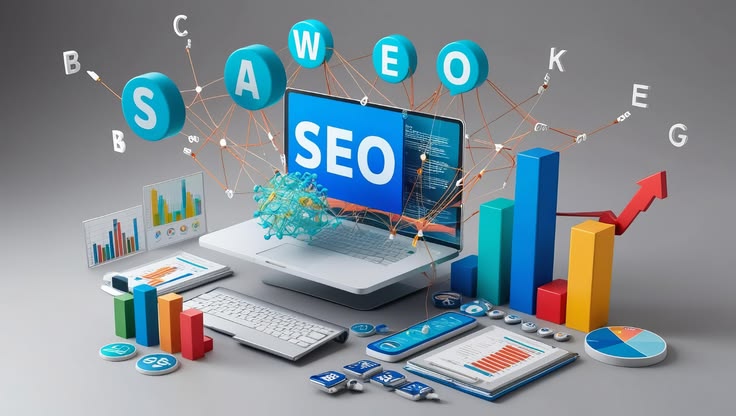
Search Engine Optimization (SEO) is a key digital marketing strategy that combines creativity with data-driven analysis to improve website rankings on search engine results pages (SERPs). The technical side of SEO involves researching, analyzing, and optimizing ranking factors to boost online visibility, increase organic traffic, and drive higher conversions.
The essential components of a successful SEO strategy include:
High-Quality, Original Content that delivers real value to users
Strategic Keyword Optimization in URLs, title tags, H1 headings, and subheadings
User Engagement Signals such as dwell time and bounce rate
Strong Backlink Profile from high-authority and relevant websites
Effective Internal Linking to enhance site structure and user navigation
Technical SEO Optimization including mobile responsiveness and fast loading speed
SEO is a continuous and evolving process that requires regular monitoring, updates, and improvements to maintain and improve search rankings. The ultimate objective is to secure a top position on the first page of search engines especially Google ensuring consistent, targeted traffic and long-term online growth.
2. Content Marketing
Content marketing is a strategic digital marketing approach focused on creating and distributing valuable, relevant, and consistent content to attract, engage, and retain a target audience. It plays a crucial role in building brand awareness, generating leads, and driving customer action.
Common types of content marketing include:
Blog Posts to educate and inform readers
E-books for in-depth knowledge and lead generation
Email Newsletters to nurture customer relationships
Whitepapers for detailed insights and industry expertise
Infographics to present information visually
Video and Audio Content to boost engagement and reach
The main goal of content marketing is to provide high-quality, user-focused content that builds trust and long-term relationships with your audience. By understanding your target market and optimizing content for search engines (SEO), businesses can improve visibility, increase engagement, and guide potential customers through every stage of the marketing funnel—from awareness to conversion.
3. Social Media Marketing
Social media marketing is an essential digital marketing strategy that helps businesses connect with their audience, boost brand awareness, increase website traffic, and build long-term customer relationships. By leveraging major platforms such as Facebook, Instagram, LinkedIn, YouTube, and X (formerly Twitter), businesses can effectively promote their products or services and engage with their target market.
Selecting the right social media platform is crucial and should align with your business objectives and audience preferences. For instance, LinkedIn is ideal for B2B marketing and professional networking, while Instagram is better suited for B2C brands focusing on visually engaging content for younger audiences.
Effective social media marketing strategies include:
Publishing high-quality, engaging content consistently
Actively responding to comments, messages, and customer inquiries
Utilizing social media management and scheduling tools
Monitoring key performance metrics such as engagement rate, clicks, and shares
Posting at optimal times to improve reach and audience interaction
The goal of social media marketing extends beyond immediate sales. It focuses on building brand credibility, increasing online visibility, and creating meaningful interactions with your audience. This strategy is particularly valuable for products or services that require thoughtful decision-making, helping nurture leads and guide potential customers through the buyer’s journey.
4. Pay-Per-Click (PPC) Advertising
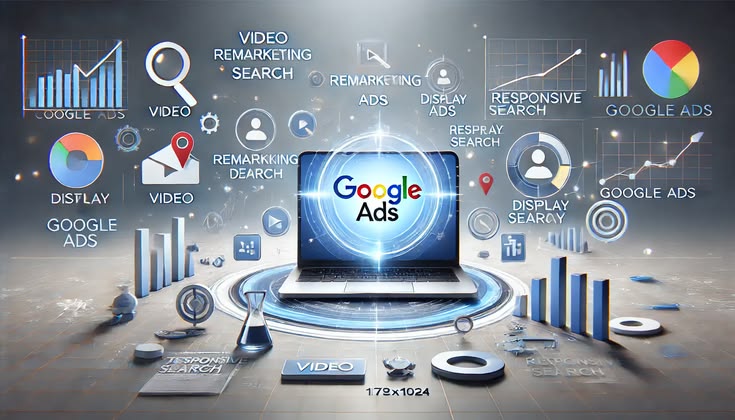
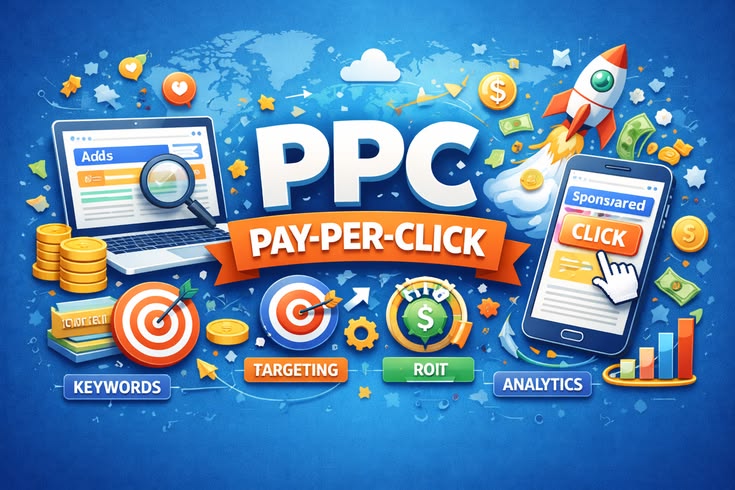
Pay-Per-Click (PPC) advertising is a results-driven digital marketing strategy where businesses pay a fee each time a user clicks on their online ad. One of the most popular forms of PPC is search engine advertising, particularly through platforms like Google Ads, which allows businesses to appear at the top of search engine results.
The effectiveness and placement of PPC ads depend on several key factors, including:
- Ad Quality and Relevance to the target audience
- Keyword Targeting and search intent alignment
- Landing Page Experience and optimization
- Bid Strategy and Budget Allocation
PPC campaigns are designed to drive specific actions, such as purchases, sign-ups, or lead generation. With advanced tracking and analytics, businesses can measure performance, optimize campaigns in real time, and maximize return on investment (ROI). This makes PPC an essential tool for increasing visibility, generating targeted traffic, and achieving fast, measurable results.
5. Affiliate Marketing
Affiliate marketing is a performance-based digital marketing strategy that enables individuals or partners to earn commissions by promoting a company’s products or services. Affiliates can choose to promote one brand or multiple brands through channels such as blogs, social media, websites, and email marketing.
For businesses, affiliate marketing is a cost-effective way to increase sales and expand reach, as they only pay commissions when a successful conversion or sale is generated. This model reduces risk while driving targeted traffic and improving return on investment (ROI).
Successful affiliate marketing programs provide partners with essential resources, including promotional materials, tracking tools, and performance-based incentives. With the right strategy, affiliate marketing helps businesses boost brand visibility, generate qualified leads, and achieve scalable growth in the competitive online marketplace.
6. Native Advertising
Native advertising is a strategic form of digital marketing that integrates seamlessly with surrounding content, making it appear more natural and less intrusive than traditional ads. This approach focuses on delivering valuable, engaging content that aligns with the user experience before subtly introducing a promotional message.
The primary goal of native advertising is to increase user engagement, build trust, and improve content interaction without disrupting the browsing experience. Common formats include sponsored articles, in-feed ads, and recommended content on websites and social media platforms.
To maintain transparency and credibility, it is essential to clearly label native ads with terms such as “Sponsored,” “Promoted,” or “Paid Content.” This ensures compliance with advertising guidelines while preserving audience trust and brand integrity.
7. Influencer Marketing
Influencer marketing is a powerful digital marketing strategy that involves partnering with individuals who have a strong online presence and loyal following to promote products or services. These influencers may include celebrities, industry experts, bloggers, or social media content creators who can effectively influence audience decisions.
This marketing approach is highly effective for both B2B and B2C businesses looking to expand their reach, increase brand awareness, and connect with new target audiences through trusted voices. By leveraging influencer credibility, brands can drive engagement, build trust, and boost conversions.
However, choosing the right influencer is crucial for success. Collaborating with influencers who do not align with your brand values or audience can negatively impact your reputation. A well-planned influencer marketing strategy ensures authentic partnerships, better audience targeting, and long-term brand growth.
8. Marketing Automation
Marketing automation is a powerful digital marketing solution that uses advanced software tools to streamline campaigns, automate repetitive tasks, and deliver personalized customer experiences at scale. By improving efficiency and saving time, businesses can focus on strategy while automation handles execution.
Marketing automation tools can:
Collect and analyze customer data to understand user behavior
Create and manage targeted marketing campaigns for specific audiences
Schedule and deliver messages at the optimal time for maximum engagement
By automating routine processes, businesses can deliver highly customized content and offers based on customer preferences and actions. This data-driven approach enhances customer engagement, improves lead nurturing, and increases conversion rates, making marketing automation essential for scalable and efficient business growth.
9. Email Marketing
Email marketing is a highly effective digital marketing strategy that involves sending targeted and personalized messages to customers to build relationships, increase engagement, and drive sales. When executed correctly, email campaigns can deliver strong ROI by providing valuable and relevant content to subscribers.
To maximize the effectiveness of email marketing, follow these best practices:
- Personalize email content, including subject lines and message body
- Provide clear and easy unsubscribe options to maintain trust and compliance
- Use a mix of transactional and promotional emails to engage different audience segments
Email marketing delivers the best results when integrated with other digital strategies such as marketing automation. This allows businesses to segment their audience, send timely and relevant messages, and nurture leads more effectively. With the right approach, email marketing can strengthen customer relationships, boost conversions, and support long-term business growth.
Benefits of Online Marketing for Business Growth
If you’re planning to enter the digital marketing industry, exploring different online marketing business ideas can help you choose the best strategy based on your skills and interests. Understanding these opportunities will guide you toward building a successful and scalable business. Don’t forget to explore the benefits of online marketing for businesses to see how it can boost growth, increase visibility, and drive higher revenue.
Online marketing offers numerous advantages that help businesses grow, scale, and compete effectively in the digital landscape. Below are some of the key benefits of online marketing for businesses:
- Global Reach: Digital marketing enables businesses to connect with a worldwide audience. Unlike traditional marketing methods limited by location, online platforms allow brands to reach and engage customers across different countries and markets.
- Cost-Effective Marketing: Strategies such as social media marketing, email marketing, and search engine optimization (SEO) are more affordable compared to traditional advertising like print media or television, making them ideal for both small businesses and large enterprises.
- Targeted Audience Reach: Online marketing allows precise targeting based on demographics such as age, gender, location, interests, and user behavior. This ensures campaigns are highly relevant and reach the right audience at the right time.
- Real-Time Analytics and Performance Tracking: Businesses can monitor campaign performance instantly using tools like analytics dashboards. Metrics such as website traffic, conversion rates, and return on investment (ROI) help optimize strategies for better results.
- Higher Customer Engagement: Digital channels like social media, blogs, and email newsletters encourage direct interaction with customers. This engagement helps build trust, strengthen brand loyalty, and improve overall customer relationships.
- Enhanced Customer Experience: Online marketing enables personalized experiences through customized offers, recommendations, and content based on user preferences, leading to increased satisfaction and higher conversion rates.
- 24/7 Online Presence: Unlike physical stores with limited hours, online marketing ensures your business remains accessible at all times, allowing customers to interact, browse, and make purchases anytime, anywhere.
Online Marketing Business Ideas for Beginners
If you’re planning to start an online marketing business, there are countless business ideas you can explore based on your skills, experience, and interests. The digital marketing landscape offers vast opportunities for individuals and businesses to connect with their target audience, promote products or services, and achieve sustainable growth.
With the right strategy and tools, you can build a profitable online marketing business, increase brand visibility, and generate consistent income in today’s competitive digital world.
How to Start Freelance Writing and Make Money from Home
Provide professional freelance writing services to businesses, blogs, and websites that need consistent, high-quality content. This can include creating SEO-friendly articles, engaging blog posts, email newsletters, and compelling website copy to help clients build a strong online presence, improve search engine rankings, and attract their target audience effectively.
Content Marketing Agency
Start a content marketing agency that focuses on developing and managing effective content strategies for businesses. Offer services such as SEO-optimized blog posts, social media content, and high-quality articles to help brands increase online visibility, drive targeted traffic, and engage their audience. You can also guide clients in building a strong digital presence and improving long-term marketing results.
Affiliate Marketing
Start a niche blog or website focused on a specific topic or industry. Use affiliate marketing strategies to promote relevant products or services to your audience. Create high-quality content such as product reviews, comparison articles, and curated lists to attract traffic, build trust, and generate passive income through affiliate commissions.
E-book Publishing
Write and self-publish eBooks on topics you are knowledgeable or passionate about to build authority and generate passive income. Platforms like Amazon Kindle Direct Publishing (KDP) enable you to publish and distribute your books to a global audience with ease. You can create content across various categories, including fiction, self-help, business, or educational guides, to attract readers and increase online earnings.
Social Media Management
Offer professional social media management services to help businesses boost engagement, grow their audience, and strengthen their online presence. This includes creating high-quality content, scheduling and publishing posts, managing social media accounts, and analyzing performance metrics to improve reach, increase visibility, and drive better results.
SEO Writing Services
Offer specialized SEO writing services to help businesses improve their search engine rankings and online visibility. Create high-quality, keyword-optimized content for websites, blog posts, and articles that attract targeted audiences, increase organic traffic, and enhance overall digital marketing performance.
Blogging
Start a blog focused on a niche you are passionate about and turn it into a profitable online business. Monetize your blog through strategies such as display advertising, affiliate marketing, sponsored posts, and selling your own products or services. By creating high-quality, SEO-optimized content and building a loyal audience, you can increase traffic, boost engagement, and generate consistent online income.
Online Marketing Business FAQs
Online marketing, also known as digital marketing, is the process of promoting brands, products, and services using the internet and various digital communication channels. It enables businesses to reach their target audience, increase brand visibility, and drive engagement through platforms such as search engines, social media, email, and websites.
The purpose of online marketing is to efficiently engage and interact with customers across multiple digital platforms, including email, SMS, chatbots, and other online communication tools. This approach enables businesses to connect with their target audience in real time, deliver personalized experiences, and build strong customer relationships while improving overall marketing effectiveness.
Yes, online marketing is highly effective for small businesses because it enables them to reach a wider audience at a lower cost compared to traditional marketing methods. By using the right digital marketing strategies and tools, small businesses can increase brand visibility, attract targeted customers, and compete with larger companies. This makes online marketing a powerful solution for growing a customer base and achieving long-term business success.
Yes, online marketing is highly effective for small businesses because it enables them to reach a wider audience at a lower cost compared to traditional marketing methods. By using the right digital marketing strategies and tools, small businesses can increase brand visibility, attract targeted customers, and compete with larger companies. This makes online marketing a powerful solution for growing a customer base and achieving long-term business success.
https://shorturl.fm/vvnYu