
SEO and SEM: How They Work Together to Boost Search Results | SEO and SEM are two essential digital marketing strategies used to improve a website’s visibility on search engines. SEO (Search Engine Optimization) focuses on driving organic traffic by optimizing content, keywords, and website structure, while SEM (Search Engine Marketing) relies on paid advertising to achieve immediate visibility in search results.
SEO is a long-term approach that builds sustainable growth and authority over time, whereas SEM delivers quicker results through targeted ads. When used together, these strategies create a balanced approach combining long-term organic success with short-term traffic boosts to maximize reach, engagement, and conversions.
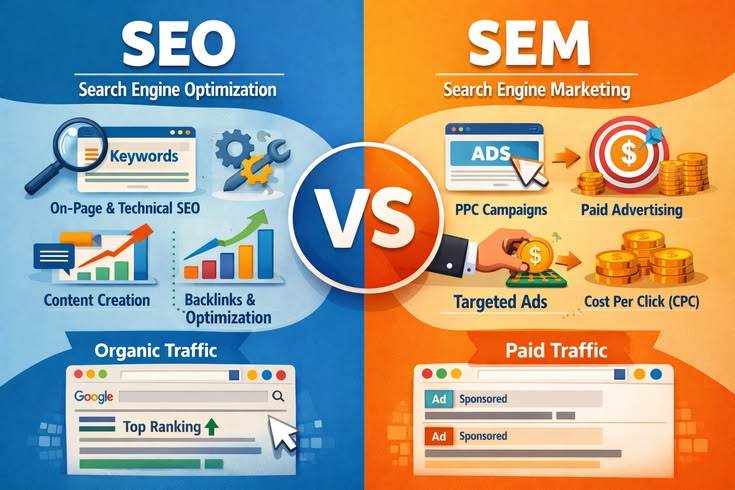
SEO and SEM are the two core pillars of search marketing used to increase a brand’s visibility on search engine results pages. SEO (Search Engine Optimization) focuses on earning organic traffic through high-quality content, technical optimization, and relevance, while SEM (Search Engine Marketing) uses paid methods such as PPC advertising to gain immediate visibility. When combined, they form a well-rounded strategy that balances long-term authority with instant reach.
Beyond driving traffic and sharing insights, the combination of SEO and SEM also helps protect your brand presence and control your search visibility. A common example is brand bidding, where businesses run paid ads on their own brand keywords to ensure they dominate top positions in search results, prevent competitors from taking that space, and maintain stronger control over their online presence.
Even if your website ranks organically for your brand name, competitors can still run ads targeting those same keywords and divert potential traffic. By using SEM to bid on your own branded terms, you can secure the top paid position while also holding your organic ranking giving your brand maximum visibility on the search results page.
This combined presence reduces the risk of losing potential customers to competitors and strengthens your credibility in the eyes of users. Ultimately, it’s about maintaining control SEO builds a strong, long-term foundation, while SEM acts as an immediate layer of protection that reinforces and supports your search presence.
SEO vs SEM: What’s the Difference in 2026 Marketing?
Understanding the difference between SEO and SEM ultimately comes down to balancing time, effort, and budget. Search Engine Optimization (SEO) is a long-term strategy focused on improving your website’s structure, enhancing page speed, and creating high-quality content so search engines recognize your site as a trusted authority. It takes time, but the results are sustainable and cost-effective over the long run.
In contrast, Search Engine Marketing (SEM) focuses on paid strategies to gain immediate visibility. This often includes pay-per-click (PPC) campaigns that place your website in sponsored sections of search engine results pages (SERPs), helping you attract traffic quickly while targeting specific keywords and audiences.
When comparing SEO and SEM in a marketing strategy, it’s about how your brand appears across the search results page. SEO secures your presence in organic listings, while SEM ensures visibility in paid placements at the top or bottom of the page. Rather than competing approaches, they work best together allowing your brand to dominate more screen space, capture different user behaviors, and maximize both traffic and conversions.
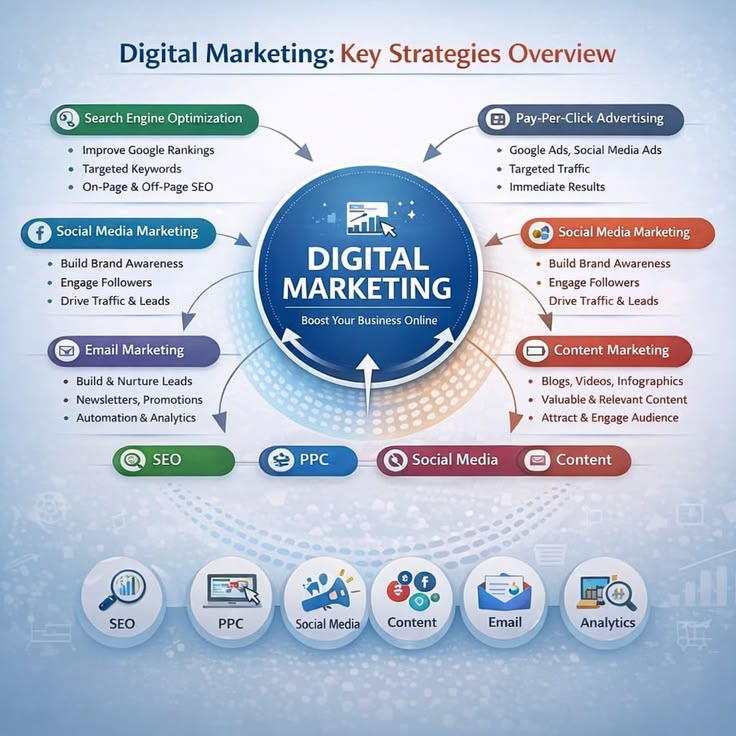
How SEO, SEM & PPC Strategies Drive Online Growth Together
To build a strong search strategy, it’s important to understand how SEO, SEM, and PPC are connected. While SEM and PPC are often used interchangeably, PPC is actually a specific component within the broader SEM framework. SEO focuses on organic growth, while SEM includes paid tactics like PPC to drive immediate visibility.
When used together, these approaches create a powerful feedback loop. Insights from PPC campaignssuch as high-performing keywords and user behavior can improve your SEO strategy, while strong organic performance can enhance the effectiveness of your paid efforts. This integrated approach helps strengthen your overall digital presence, driving better visibility, traffic, and conversions.
1.Data Sharing and Keyword Intelligence for Smarter SEO
One of the most effective ways SEO and SEM work together is by using PPC data to guide your SEO strategy. Since paid campaigns deliver immediate insights, you can quickly identify which keywords drive clicks, engagement, and conversions.
If a keyword performs well in your ads showing a high click-through rate or strong conversion rate it’s a clear signal that it has real value. You can then prioritize that keyword in your long-term SEO efforts, creating optimized content around it. This data-driven approach helps you focus on what actually works, avoiding wasted time and ensuring your organic strategy targets keywords that are more likely to deliver results.
How to Increase Your Visibility Across SERP Listings
When you rank organically for a keyword and also run a paid ad for the same term, you expand your visibility across the search results page. This dual presence not only increases the chances of getting clicks but also strengthens brand credibility. Seeing your brand in both sponsored and organic positions signals authority and reliability to users.
This strategy helps you build a protective layer around your key search terms, ensuring competitors have less opportunity to capture your traffic. By occupying multiple positions on the page, you reinforce your brand’s presence and create a stronger, more trustworthy impression.
Boost Your Content Reach with Smart Paid Traffic Strategies
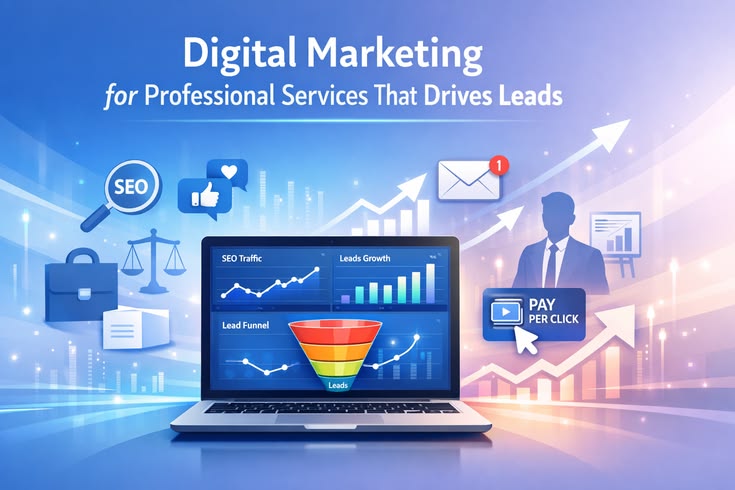
SEO takes time to gain traction, but you don’t have to wait for results if you’ve created a high-quality piece of content. By using SEM strategies, you can drive immediate traffic to your best pages and put your content in front of the right audience quickly.
This initial boost in visibility can lead to increased engagement, social shares, and even backlinks. As more people discover and interact with your content, it sends positive signals to search engineshelping your organic rankings improve faster. In this way, paid promotion acts as a catalyst, accelerating the growth and impact of your SEO efforts.
Retargeting Strategies for Every Stage of the Customer Journey
SEO plays a key role in the awareness stage, helping users discover your content when they’re searching for information. But not every visitor converts on their first visit. That’s where SEM becomes valuable.
With retargeting ads, you can reconnect with users who previously visited your site and remind them of your brand as they continue browsing online. This keeps your business top-of-mind and encourages them to return when they’re ready to take action. By combining SEO and retargeting, you ensure your initial traffic efforts don’t go to waste and increase the chances of turning visitors into customers over time.