
Fundamentals of Email Marketing Explained | Email marketing fundamentals focus on the core principles of creating successful email campaigns, including audience segmentation, automation, and performance analysis. These elements help improve engagement and drive higher conversion rates.
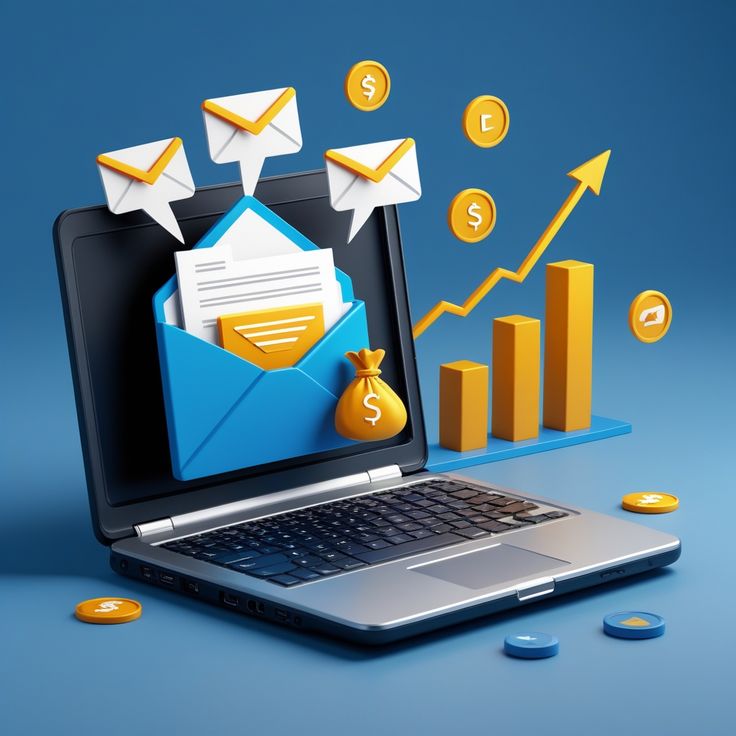
Email marketing fundamentals revolve around using targeted email campaigns to achieve specific business objectives, such as increasing sales, boosting engagement, and strengthening brand loyalty. A key aspect of effective email marketing is audience segmentation understanding your subscribers and delivering personalized, relevant content. It is also important to set clear goals for each campaign, whether it involves promoting a new product, nurturing leads, or keeping your audience informed.
Strong email design, engaging subject lines, and high quality content are crucial for capturing attention and encouraging user action. Regular testing methods, such as A/B testing, help improve campaign performance. Additionally, tracking key metrics like open rates, click-through rates, and conversions enables ongoing optimization and better results in future campaigns.
What Are Email Marketing Fundamentals?
Here is a rewritten version of your content:
Email marketing fundamentals represent one of the most effective and affordable ways for businesses to connect with their audience. It involves sending targeted emails to a specific group of people—such as existing customers, potential leads, or subscribers—with the goal of promoting products, sharing updates, or building long-term relationships. Unlike social media, email marketing allows businesses to reach individuals directly in their inbox, creating a more personal and direct form of communication.
When implemented effectively, email marketing can boost sales, strengthen customer loyalty, and increase brand awareness. In this guide, we will explore what email marketing is, why it is important for businesses, and how you can use it to grow your brand successfully.
Different Types of Email Marketing
Email marketing consists of multiple formats, each created to achieve specific goals and connect with audiences in different ways. Here are some of the most widely used types of email marketing:
Email Newsletters
These emails are sent on a regular basis to keep subscribers informed about company updates, blog content, industry insights, and upcoming events. They play an important role in building long-term relationships with your audience and maintaining consistent engagement with your brand.
Promotional Email Campaigns
Promotional emails are created to encourage immediate action by highlighting specific products, services, or special offers. They are highly effective for boosting sales, announcing new product launches, and sharing discounts or limited-time deals.
Transactional Email Messages
Transactional emails are automated messages triggered by specific user actions, such as order confirmations, payment receipts, or password resets. These emails deliver essential information and typically achieve high open rates because they are directly relevant to the user’s activity.
Welcome emails are sent to new subscribers or customers as an initial point of contact. They help introduce your brand, set expectations for future communication, and may include incentives like discounts or special offers.
Another effective type is abandoned cart emails, which are automatically sent to users who add products to their cart but do not complete the purchase. These reminder emails often include incentives such as discounts or free shipping to encourage customers to return and finalize their order.
Re-Engagement Email Strategies
Re-engagement emails are designed to reconnect with inactive subscribers and renew their interest in your brand. These messages often include personalized content or special offers to encourage users who haven’t interacted recently to engage again.
Event invitation emails are used to promote webinars, product launches, or conferences, helping increase participation by providing key details and easy registration options.
Lastly, survey or feedback emails aim to collect valuable insights from your audience. They help businesses improve their products or services while strengthening customer relationships by showing that their opinions are valued. Each of these email types plays an important role in maintaining an effective and goal-driven email marketing strategy.
Top Email Marketing Tools and Platforms
Email marketing tools play a crucial role in designing, managing, and improving email campaigns. These platforms simplify the entire process by enabling automation, performance tracking, and campaign optimization. Below are some widely used email marketing tools you can consider:
1. Mailchimp
One of the most popular email marketing platforms, Mailchimp is suitable for businesses of all sizes. It provides an easy-to-use interface, customizable email templates, automation capabilities, and powerful analytics tools to track campaign performance
Key Features:
Easy drag-and-drop email builder
Ready-to-use email templates
Advanced marketing automation tools
Audience segmentation options
A/B testing capabilities
Best For:
Ideal for beginners and small businesses seeking an affordable solution with simple, user-friendly features.
2. Constant Contact
Overview:
Constant Contact is a reliable email marketing platform designed to help businesses manage their campaigns efficiently. It offers a range of tools, including customizable email templates, contact management features, and robust automation capabilities.
Key Features:
- Customizable email templates and design tools
- Contact list management and segmentation
- Social media integration
- Event marketing features
- Detailed reporting and analytics
Best For:
Ideal for small to medium-sized businesses looking for strong customer support and effective event management tools.
3. Sendinblue
Overview:
Sendinblue is a cost-effective and easy-to-use platform that combines email marketing and SMS campaigns in one place. It is well-suited for businesses looking to manage multi-channel marketing efforts with automation.
Key Features:
- Email marketing and SMS campaign integration
- Advanced audience segmentation
- Marketing automation tools
- Support for transactional emails
- A/B testing functionality
Best For:
Ideal for businesses seeking an all-in-one marketing solution that includes both email and SMS capabilities.
4. HubSpot
Overview:
HubSpot is a comprehensive inbound marketing platform that includes email marketing as part of its wide range of tools. It enables businesses to automate campaigns, nurture leads, and analyze performance in detail.
Key Features:
- Personalized email campaign creation
- Advanced marketing automation workflows
- Lead scoring and audience segmentation
- A/B testing and performance tracking
- Seamless CRM integration
Best For:
Ideal for businesses looking to combine email marketing with CRM systems and broader marketing strategies.
5.GetResponse Email Marketing Platform
Here is a rewritten version of your content:
Overview:
GetResponse is a powerful email marketing platform that offers a wide range of features, including automation, landing page creation, and webinar hosting. It is ideal for businesses that require a versatile, all-in-one marketing solution.
Key Features:
- Email automation and autoresponder tools
- Landing page builder
- Webinar hosting capabilities
- CRM integration
- Detailed analytics and reporting
Best For:
Best suited for businesses seeking advanced automation and a comprehensive, integrated approach to email marketing.
6. ActiveCampaign
ActiveCampaign is a powerful email marketing platform known for its advanced automation capabilities. It is designed for businesses that want to create highly personalized and targeted email campaigns.
Key Features:
- Advanced email automation tools
- Built-in customer relationship management (CRM)
- In-depth reporting and analytics
- Personalized content and audience segmentation
- A/B testing functionality
Best For:
Ideal for medium to large businesses seeking advanced features, automation, and detailed segmentation.
Email Marketing Strategy Guide
A well-planned email marketing strategy is essential for connecting with your audience, increasing conversions, and building lasting customer relationships. Below is a step-by-step approach to developing an effective email marketing strategy
1.Goal Setting for Success
What Do You Want to Achieve?
Before launching your campaign, clearly define the goals you want to accomplish. This could include increasing sales, driving more traffic to your website, nurturing leads, or staying connected with your audience. Setting clear objectives helps shape your email content, design, and sending frequency.
Example Goals:
Boost product sales by 20%, increase event participation, or expand your email subscriber list by 50%
2.Building and Organizing Your Email List
Focus on Quality Over Quantity:
A successful email marketing strategy begins with a high-quality subscriber list. Prioritize gaining permission from users and offer value such as lead magnets, discounts, or exclusive content to encourage sign-ups.
Segmentation:
Organize your email list into targeted segments based on factors like purchase behavior, engagement levels, location, or personal interests. This enables you to deliver more relevant and personalized email campaigns.
Tools for List Building and Segmentation:
Leverage platforms like Mailchimp, ActiveCampaign, or ConvertKit to effectively manage your email list, segment audiences, and monitor subscriber behavior.
3.Design Compelling Email Content
Engage Your Audience:
Your email content should connect with your audience by being relevant, valuable, and engaging. Whether you are sharing promotions, informative articles, or exclusive offers, your messaging should align with the interests and needs of your subscribers.
Personalization:
Enhance engagement by personalizing your emails. This can include using the recipient’s name, tailoring content based on past interactions, or offering customized deals for specific audience segments.
Types of Content:
Depending on your campaign goals, you can send newsletters, promotional emails, educational content, surveys, or event invitations to effectively engage your audience.
4.Design Effective Email Campaigns
Responsive Design for All Devices:
As a significant number of users access emails on mobile devices, it’s important to ensure your emails adapt seamlessly to different screen sizes for a smooth viewing experience.
Strong and Clear Call to Action (CTA):
Every email should include a clear and compelling CTA that directs readers toward the desired action, such as making a purchase, exploring more content, or signing up for an event.
Visually Clean and Organized Layout:
Keep your email design simple, structured, and visually appealing. Use headings, images, and proper spacing to make the content easy to read and engaging.
5.Automate Your Email Campaigns
Build Automated Email Workflows:
Save time and increase efficiency by creating automated email sequences tailored to different stages of the customer journey. Examples include welcome emails for new subscribers, cart abandonment reminders, and follow-up messages after a purchase.
Action-Based Email Triggers:
Set up emails that are automatically sent based on user behavior, such as making a purchase, visiting a webpage, or interacting with previous emails. This helps deliver timely, relevant, and personalized communication.
Tools for Automation:
Most email marketing platforms, including Mailchimp, ActiveCampaign, and HubSpot, offer automation features that make it easy to design and manage workflows without constant manual effort.
6.Test and Improve Your Campaigns
A/B Testing:
Experiment with different elements of your emails such as subject lines, call-to-action buttons, content, and send times to identify what works best for your audience.
Track Performance Metrics:
Monitor key metrics like open rates, click-through rates, conversion rates, and unsubscribe rates to evaluate the effectiveness of your campaigns.
Optimize and Improve:
Use the insights gained from your data to refine your strategies over time, ensuring continuous improvement and better engagement with your audience.
How to Execute an Email Marketing Campaign
Now that you have a solid understanding of email marketing campaigns and their significance, it’s time to focus on putting them into action. Utilizing pre-designed email templates can further simplify the process and help you create more effective and visually appealing campaigns for your business.
1.Identify and Understand Your Audience
To launch a successful email marketing campaign, it is essential to first identify your target audience. Without a clear understanding of your audience, creating meaningful and effective email content becomes challenging. Analyze key factors such as demographics, interests, and user behavior to craft personalized messages that truly connect with your audience.
Emails that feel relevant and tailored are far more likely to capture attention and drive engagement compared to generic, one-size-fits-all messages. By clearly defining your audience from the beginning, you can shape a more focused strategy and achieve better campaign results.
2.Understand Your Campaign Goals
Once you have identified your target audience, the next important step is to define your campaign goals clearly. What do you want your email campaign to accomplish? Whether your objective is to increase brand awareness, generate more sales, drive website traffic, or achieve other results, setting clear goals helps you create more focused and effective email content.
Well-defined goals also guide your messaging and help you design strong, action-oriented calls to action, making your email campaigns more purposeful and result-driven.
3.Choosing the Best Email Campaign Type
There are various types of email campaigns available, so it is important to choose one that matches both your objectives and your target audience. Some common examples include:
New product announcements
Event invitations
Re-engagement campaigns
Promotional emails
Welcome emails
Selecting the right campaign type is essential for achieving your goals. Taking the time to choose the most suitable format for your business needs will lead to better results and improved engagement.
4.Write High-Impact Content
After choosing your campaign type, the next step is to create compelling content. Your email copy should be relevant, engaging, and accurate to capture your audience’s attention. Focus on providing real value to your subscribers so they stay interested and look forward to opening your future emails.
https://shorturl.fm/17aQO
[…] model where businesses pay only when users click on their ads. Rather than depending entirely on organic traffic through SEO, PPC helps drive instant website visits by paying for actual user interactions. It is […]