
What Is E-Commerce? A Complete Introduction and Definition? E-commerce is the process of conducting business transactions online. Learn about its different models, history, key examples, and its impact on modern global trade.
Here is a rephrased, clean, and SEO-optimized version of your content:
E-commerce, also known as electronic commerce, refers to the buying and selling of goods and services through the internet. It has revolutionized global trade by enabling seamless online transactions between businesses and consumers. E-commerce operates through several key models, including Business-to-Consumer (B2C), Business-to-Business (B2B), Consumer-to-Consumer (C2C), and Consumer-to-Business (C2B), each serving different market requirements.
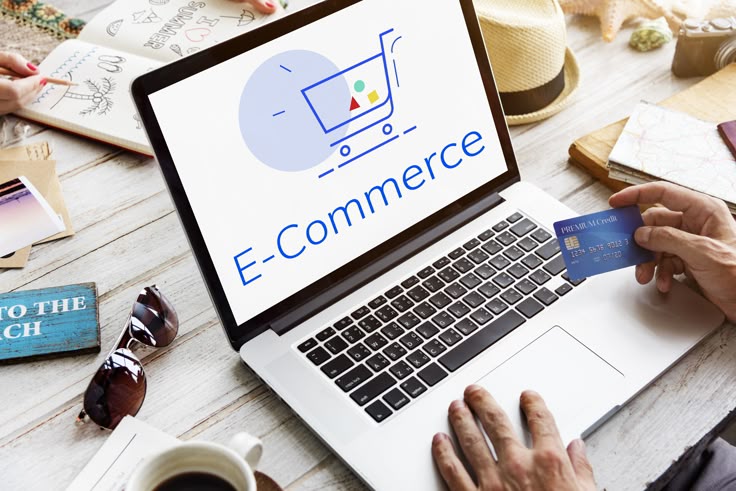
Since its rise in the 1990s, e-commerce has grown rapidly, with leading platforms such as Amazon, eBay, and Alibaba transforming global shopping behavior and business operations. Today, it is a vital part of the global economy, offering greater convenience, wider market access, and new entrepreneurial opportunities. The industry continues to advance with technologies like artificial intelligence (AI), augmented reality (AR), and blockchain, which enhance user experience and improve overall efficiency.
A Simple Introduction to E-Commerce World
E-Commerce (electronic commerce) is the process of buying and selling goods and services through the internet. It includes all types of online commercial activities, ranging from physical products like clothing, gadgets, and electronics to digital goods such as software, e-books, and online services. E-commerce enables businesses and consumers to connect and complete transactions without geographical limitations, making shopping and selling more convenient, flexible, and accessible.
E-commerce operates in several models, including B2C (Business-to-Consumer), where businesses sell directly to customers; B2B (Business-to-Business), which involves transactions between companies; and C2C (Consumer-to-Consumer), where individuals trade products or services through platforms like eBay or Etsy.
Today, e-commerce plays a vital role in the global economy. It helps businesses expand their reach to a worldwide audience while offering consumers a fast, efficient, and seamless online shopping experience.
Major Types of E-Commerce Models
E-commerce businesses are generally divided into four primary categories. Each model is defined by the participants involved in the transaction specifically, who is selling and who is buying. Below is an overview of the most common types of e-commerce models:
Business to Consumer(B2C)
In the B2C (Business-to-Consumer) model, companies sell their products or services directly to individual customers. This is the most widely used e-commerce model and represents the typical online shopping experience. For example, when you buy items from platforms like Amazon or directly from a brand’s website, you are participating in B2C e-commerce. Similarly, running a Shopify store to sell products directly to end users also comes under this model.
B2C e-commerce focuses on customer-centric marketing, user-friendly online stores, and smooth, efficient checkout processes that make shopping quick and convenient.
Business-to-Business (B2B)
The B2B (Business-to-Business) model refers to transactions where one business sells products or services to another business. These deals usually involve bulk or wholesale purchases. For example, when a supplier provides industrial goods such as machinery parts or raw materials to manufacturers, it is considered B2B commerce.
Platforms like Alibaba and other industry-specific marketplaces help facilitate these types of business transactions. The B2B model is generally characterized by large order quantities, longer sales processes, and more detailed negotiations compared to other e-commerce models.
Consumer-to-Business (C2B)
In the C2B (Consumer-to-Business) model, individuals offer their products or services to businesses, typically through online platforms. This model has grown significantly with the rise of freelancing, influencer marketing, and crowdsourcing.
For example, a social media influencer or blogger may promote a company’s products or services in exchange for payment or other benefits. Likewise, freelance professionals such as designers, writers, or developers who provide services to businesses are also part of the C2B model. Additionally, user-generated content created by individuals for companies falls under this category.
Consumer to Consumer (C2C)
C2C (Consumer-to-Consumer) e-commerce refers to transactions where individuals sell products or services directly to other consumers through online platforms. This model is commonly seen in marketplaces such as eBay, Facebook Marketplace, and Etsy, where users can sell second-hand items, handmade goods, or unique products.
These platforms act as intermediaries, enabling buyers and sellers to connect easily while often providing secure payment systems and shipping support. C2C e-commerce heavily depends on user trust, reviews, and rating systems to ensure safe, reliable, and smooth transactions between individuals.

Top Advantages of E-Commerce
E-commerce provides a wide range of benefits for both businesses and consumers, transforming how buying and selling activities take place. Below are some of its major advantages:
High Convenience and Wide Accessibility
E-commerce enables customers to shop anytime, 24/7, from the comfort of their homes or while traveling, without being limited by store timings or physical location. This level of convenience also benefits businesses, allowing them to operate on a global scale without the need for a physical storefront.
Global Market Reach Explained
E-commerce enables businesses to connect with a global audience, extending their reach far beyond local markets. This opens opportunities to enter international markets, helping companies boost sales potential and enhance their brand visibility worldwide.
Cost Efficiency Benefits
Running an e-commerce store typically involves lower operating costs than traditional physical stores. Since there is no need for a physical shop, businesses can save on expenses such as rent, utilities, staffing, and maintenance. These cost savings often allow companies to offer more competitive prices to customers.
Diverse Product Selection:What Is E-Commerce? A Complete Introduction and Definition?
E-commerce platforms enable businesses to showcase a much wider range of products compared to traditional physical stores. Without the restrictions of physical space, companies can offer items across multiple categories, giving customers a large and diverse selection to choose from.
Personalized Online Shopping Experience
Online retailers can analyze customer data to create a more personalized shopping experience. By using information such as past purchases, browsing behavior, and preferences, they can suggest relevant products to users. This not only improves customer satisfaction but also helps increase overall sales.
Features of E Commerce :
E-commerce platforms offer a variety of features designed to improve the online shopping experience for both businesses and customers. These tools help simplify business operations, enhance user experience, and support overall growth. Below are some of the key features of e-commerce:
User-Friendly Design
E-commerce platforms are built with user-friendly and intuitive designs that make navigation simple for customers. They allow users to easily search for products, place orders, and complete transactions with minimal effort. Features such as clean layouts, fast search functionality, and well-organized menus significantly improve the overall shopping experience.
Product Listing and Catalog Management
E-commerce websites enable businesses to present a wide variety of products in a structured and organized way. Product catalog management tools allow companies to sort items into categories, add detailed descriptions, set pricing, upload high-quality images, and track inventory levels. These features make it easier for customers to browse products and quickly find what they need.
Shopping Cart and Checkout Process
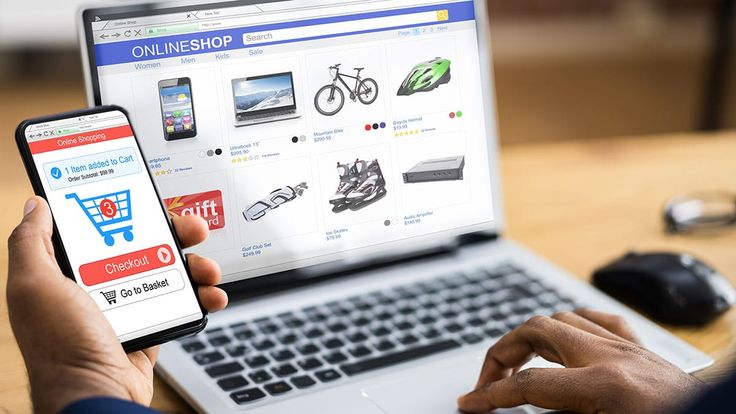
The shopping cart feature enables customers to select and store products before finalizing their purchase, allowing them to review items at any time. A smooth and efficient checkout process is essential, offering simple navigation, multiple payment options, and a secure system for confirming and processing orders. A well-optimized checkout experience also helps reduce cart abandonment rates.
Online Payment Gateway System
Payment gateways enable customers to make secure online payments using multiple methods, including credit and debit cards, digital wallets, bank transfers, and even cryptocurrencies. E-commerce platforms often integrate with trusted payment services such as PayPal, Stripe, and similar providers to ensure safe and reliable transactions.
Mobile Optimization
With the growth of mobile shopping, most e-commerce platforms are now fully optimized for mobile devices. A responsive design ensures that users can easily browse products and complete purchases on smartphones and tablets without any difficulties, providing a smooth and consistent experience across all devices.
The Future of E Commerce
The e-commerce industry is expected to keep growing in the coming years, with revenue projected to rise at an annual growth rate of 11.51%. By 2027, the market is estimated to reach a value of $1,563 billion, highlighting the continued shift in how products and services are bought and sold. This rapid growth reflects changing consumer habits and the ongoing evolution of the retail sector, with no indication of slowing down.
Increasing Role of ArtificialIntelligence (AI)
Artificial intelligence is expected to play an increasingly important role in e-commerce. From delivering personalized shopping experiences to improving inventory management, AI helps businesses enhance every stage of the customer journey. AI-powered tools can provide customized product recommendations, support customers through chatbots, and analyze consumer behavior to predict future trends. In addition, AI-based demand forecasting and inventory systems help businesses maintain optimal stock levels and minimize waste.
Voice Commerce and AI Virtual Assistants
With the increasing popularity of voice-activated devices such as Amazon Alexa, Apple Siri, and Google Assistant, voice commerce is set to become an important part of e-commerce. More consumers are expected to use voice commands to search for products, place orders, and track deliveries. To keep up with this trend, retailers will need to optimize their websites and applications for voice search, ensuring a smooth, fast, and convenient voice-based shopping experience.
Augmented Reality (AR) and Virtual Reality (VR) Technologies
Augmented Reality (AR) and Virtual Reality (VR) technologies are set to transform the way customers interact with online products. AR allows users to virtually try on clothing, preview furniture in their homes, or test beauty products before buying. This immersive experience helps bridge the gap between physical and digital shopping, reducing uncertainty and increasing buyer confidence.
As AR and VR become more widely adopted, more e-commerce businesses will use these technologies to improve customer engagement and boost conversion rates.
Social Commerce and Influencer Marketing Strategies
Social media platforms such as Instagram, Facebook, and TikTok have already introduced shopping features that allow users to buy products directly from posts and advertisements. In the coming years, social commerce is expected to expand further, with more brands using these platforms to market and sell their products.
At the same time, influencer marketing will continue to evolve as consumers increasingly rely on trusted online personalities for product recommendations. Social commerce will become more closely integrated with online retail, helping businesses reach wider audiences while offering customers a simple and convenient shopping experience.
[…] are crucial for capturing attention and encouraging user action. Regular testing methods, such as A/B testing, help improve campaign performance. Additionally, tracking key metrics like open rates, […]
https://shorturl.fm/Q28eK
https://shorturl.fm/ilimt