
Introduction to Digital Marketing: Your First Steps to Success An introduction to digital marketing covers essential strategies such as SEO, PPC, social media marketing, and email marketing to help businesses grow online. Learn these fundamentals to build a strong digital presence and achieve success in today’s competitive online landscape.
In today’s fast-paced digital landscape, businesses must adapt to modern marketing trends to remain competitive. An introduction to digital marketing is the first step toward building a strong and effective online presence. As traditional marketing methods become less impactful, digital marketing provides a more targeted, measurable, and cost-efficient approach. Whether you’re a small business or a large enterprise, understanding these fundamentals is essential for success.
From search engine optimization (SEO) and social media marketing to pay-per-click (PPC) advertising, a wide range of strategies can help businesses connect with their target audience, increase brand visibility, and drive conversions. This guide explores the key components of digital marketing and how they lay the foundation for long-term growth.
Introduction To Digital Marketing
Digital marketing is a powerful strategy that involves promoting products, services, or brands through online channels to reach targeted audiences. It includes key tactics such as SEO, social media marketing, content marketing, email marketing, and PPC advertising. These methods help businesses attract, engage, and convert potential customers across digital platforms.
The goal of digital marketing is to boost brand visibility, drive high-quality traffic, and increase conversions through websites, mobile apps, and online platforms. With real-time analytics and measurable results, businesses can optimize campaigns for better performance and ROI. As digital technology continues to advance, digital marketing remains essential for maximizing reach, engagement, and long-term business growth.
🧠 General Digital Marketing
General digital marketing refers to the use of online channels to promote products, services, or brands effectively. It includes key strategies such as search engine optimization (SEO), social media marketing, email marketing, content marketing, and paid advertising. The main objective is to reach a broader audience, generate quality leads, and drive sales through digital platforms.
- Introduction to Digital Marketing
- Digital Marketing Basics
- Digital Marketing Strategy
- What is Digital Marketing
- Digital Marketing Explanation
- What are the 4Types of Digital Marketing?
- Digital & Social Media Marketing
- DigitalMarketing Services
- Digital Marketing Plan
- Digital Marketing Course & Placement
- Digital Marketing Modules
- Digital Marketing jobs in india
- DigitalMarketing Firms
- Top 20 Digital Marketing interview Questions(2026)
- 15 AI Tools to SuperCharger Digitalmarketing
- DigitalMarketing Books
- Digital Tools
- Digital Platform
- Learn DigitalMarketing
- Digital Marketing Tutorial
- How Does Digital Marketing Work
- Components of Digital Marketing work
- Digital Marketing What is
- Kinds of DigitalMarketing
- Digital Marketing Types
- Marketing Digital Marketing
- Digital Marketing Marketing
- Father of DigitalMarketing
- Tarditional Marketing vs Digital Marketing
- Digital Marketing Examples
💼 Digital Marketing Careers :
Digital marketing careers are expanding rapidly, offering a wide range of opportunities in areas like SEO, social media marketing, content marketing, email campaigns, PPC advertising, and analytics. As companies increasingly move online, skilled digital marketers are in high demand for roles such as Digital Marketing Manager, SEO Specialist, and Content Strategist, making it a promising and rewarding career path.
- How to Become A Digital Marketer
- Digital Marketing Career
- Digital Marketing Salery in india
- Digital Marketing Job & Salery in 2026
- Digital Marketing Exective : Roles & Responsibilites
- DigitalMarketing Manager Responsibilites
- Freelance Digital Marketing
- Freelance DM Jobs That pay 30/-hr
- Digital Marketing Internship at Indian Express
- Career Digital Marketing
- Digital Marketing Interview Questions & Answers
- Digital Marketing Salery For Freshers
- Digital Marketing Jobs For Freshers
- Digital Marketing Vacancys
- Digital Marketing Earnings
- Digital Marketing Income
- Is Digital Marketing A Good Career
- Google Hiring Digital Marketing Stratigest
- Top 5 DigitalMarketing Internships
- Digital Marketing Career
- Digiatl Marketing Skills
📊 Strategy & Planning
Strategy & Planning: Strategy and planning are essential for business success, involving the creation of clear goals and actionable plans to achieve them. By analyzing market trends, setting targeted objectives, and efficiently allocating resources, businesses can build effective roadmaps that ensure sustainable growth and competitive advantage.
🎓 Courses, Institutes & Education
Courses, Institutes & Education: Courses, institutes, and education play a vital role in developing skills and knowledge for career advancement. From online certifications to full-time degree programs, reputable institutions offer specialized courses in fields such as technology, business, design, and more, helping learners stay competitive in today’s evolving job market.
🛠️ Tools & Technology :Introduction to Digital Marketing
Tools & Technology: In digital marketing, tools and technology refer to software and platforms that help streamline campaigns, analyze performance, and automate tasks. These include solutions for SEO, social media management, email marketing, analytics, and customer relationship management (CRM), enabling marketers to improve efficiency and achieve better results.
📢Digital Advertising & Agencies
Digital Advertising & Agencies: Digital advertising and agencies focus on promoting brands through online channels such as Google Ads, social media platforms, and display networks. Agencies assist businesses in creating, managing, and optimizing ad campaigns to reach targeted audiences, increase website traffic, and improve conversions.
🎯 Specialized Digital Marketing Fields :Introduction to Digital Marketing
Specialized Digital Marketing Fields: Specialized digital marketing fields focus on specific areas within the broader digital marketing landscape to achieve targeted results. These include SEO, content marketing, social media marketing, email marketing, PPC (pay-per-click) advertising, affiliate marketing, influencer marketing, and data analytics. Each field requires specialized skills, tools, and strategies to optimize performance and effectively reach the right audience.
📊 Trends & Insights
Trends & Insights: Trends and insights in digital marketing help businesses stay competitive by analyzing consumer behavior, emerging technologies, and industry developments. By understanding these patterns, marketers can make data-driven decisions, optimize strategies, and adapt to the ever-changing digital landscape.
📢 Channels & Campaigns
Channels & Campaigns: Channels and campaigns refer to the platforms and strategic efforts used to reach and engage target audiences. Digital marketing channels include social media, email, search engines, and websites, while campaigns are carefully planned initiatives executed across these channels to effectively promote products, services, or brands.
👥 Digital Marketing Roles & People
Digital Marketing Roles & People: Digital marketing involves a team of skilled professionals who plan, execute, and optimize online campaigns. Key roles include SEO specialists, content creators, social media managers, PPC analysts, email marketers, and digital strategists, all working together to achieve business goals and drive brand growth.
💼 Pricing, Packages & Industry Models
Pricing, Packages & Industry Models: In digital marketing, pricing structures vary depending on the services provided, business goals, and company size. Agencies and freelancers typically offer models such as hourly rates, monthly retainers, and performance-based pricing. These services are often bundled into customized packages to meet diverse marketing needs.
🔍 SEO (Search Engine Optimization)
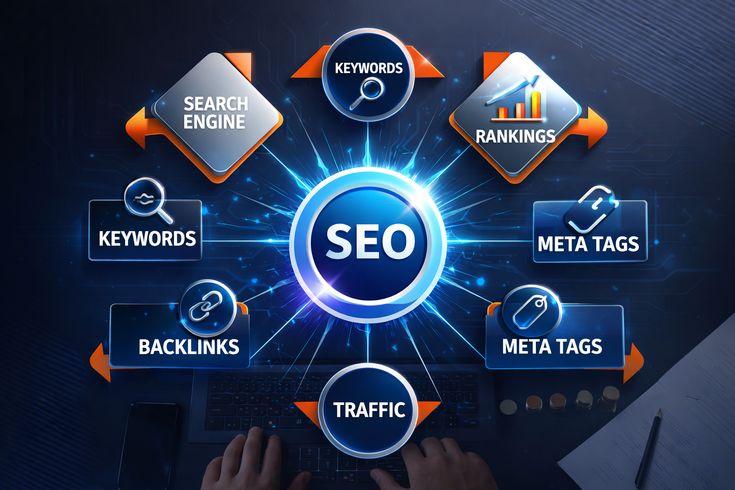
SEO (Search Engine Optimization): SEO is a powerful digital marketing strategy designed to improve a website’s visibility on search engines like Google. It involves optimizing website content, structure, and technical performance to increase organic traffic, boost search rankings, and enhance user engagement.
📌 SEO Basics & Foundations
SEO Basics & Foundations: SEO basics and foundations cover the essential principles that every marketer or beginner should understand. This includes how search engine optimization works, the different types of SEO, and a step-by-step approach to learning and applying effective SEO techniques with confidence.
- Search Engine Optimizations Tutorial
- Types Of Search Engine Optimization
- SEO Basics
- How Does SEO work
- Learn SEO
- SEO Full Form Of Digital Marketing
- How to learn SEO For Free
- How Can I Start SEO For Beginners
- How to Become an SEO Expert
- How to Learn SEO
- How to do SEO
- SEO Glosary
- SEO Checklist
- How to Learn Search Engine Optimization in Digital Marketing
- SEO For Small Business
- What is Local SEO And How Does it Work
🧠 SEO Skills, Careers & Roles
This section explores the essential skills needed to succeed in SEO, including technical expertise, analytical thinking, and strategic planning. It also covers career paths, certifications, freelancing opportunities, and practical steps to grow professionally as an SEO specialist or consultant.
- SEO Skills
- SEO Specialist Skills
- SEO Analyst
- SEO Jobs
- SEO Newbies
- SEO Interview Questions
- How to Earn Money From SEO
- Father Of SEO
- Freelance SEO Jobs that pay 50/-hr
- SEO Certification
- SEO Portfolio
- Is SEO A Good Career ?
🛠️ SEO Tools & Platforms
This section introduces essential SEO tools and platforms that streamline and enhance optimization tasks. From site audits and keyword research to performance tracking and analytics, these tools help marketers work more efficiently and stay updated with search engine algorithm changes.
- Top 12 SEO Free Tools
- SEO Tools :5Must -Haves
- SEMRUSH – The Ultimate Guide
- Google Search Console SEO Guide
⚙️ Introduction to Digital Marketing : Technical & On-Page SEO
This part explains how to improve your website’s structure, content, and technical setup. It covers important factors like meta tags, indexing, page speed, image optimization, and proper keyword use, helping your site rank higher and provide a better user experience.
- Techanical SEO
- On Page and Off Page SEO
- On-Page SEO
- How to Optimize Website for SEO Indexing
- Website Speed Optimization Tips
- Keyword Stuffing in SEO
- Rich Snippet
- Internal Linking for SEO
- What is Schema Markup
- SEO Mistakes
- Pintrest SEO
- SEO Rankings
- Youtube SEO Keyword
- How To Do Keyword Research
- KeywordS in SEO
- SEO Meta Title And Description
- Meta Title Tag
- Meta Tag for SEO
- Meta Title
- Meta Description
- SEO Meta in 1 Click
- Alt Tag (image)
- Canonical Tag
- H1 Tag
🔗 Off-Page SEO & Link Building
Off-page SEO involves strategies that enhance your website’s authority through external factors such as backlinks, brand mentions, and social signals. It focuses on how search engines like Google evaluate your site’s credibility across the web and how to strengthen these signals for better rankings.
- What Are Backlink in SEO
- How Does Google Works
- Social Media SEO
📈 SEO Projects & Practical Applications
This section explores real-world SEO applications, including practical use cases, projects, and organizational strategies. Whether you’re optimizing a blog, building backlinks, or researching SEO agencies, it connects theoretical knowledge with actionable, results-driven implementation.
- SEO Projects
- How to start a blog in2026
- Search Engine Optimization Companies
📊 SEO Content Strategy & Copywriting
This section focuses on the content aspect of SEO, explaining how to plan, organize, and create content that appeals to both users and search engines. It covers strategic writing techniques, SEO-based content planning, and effective blog structures designed to increase traffic.
1.SEO Strategy
2.SEO Content
3.SEO and Content Marketing Hacks
4.SEO Copywriting
🚀 Introduction to Digital Marketing : Performance Marketing
Performance Marketing is a data-focused digital approach where businesses pay only for measurable actions such as clicks, leads, or conversions. It leverages channels like affiliate marketing, pay-per-click (PPC) advertising, and influencer collaborations, with a strong emphasis on tracking performance, maximizing ROI, and optimizing campaigns in real time.
💰 Introduction to Digital Marketing : PPC & Advertising
PPC (Pay-Per-Click) advertising is a results-oriented digital marketing approach where advertisers are charged only when someone clicks on their ads. It leverages platforms such as Google Ads, Facebook Ads, and LinkedIn Ads to reach specific audiences, enhance brand exposure, and generate fast, trackable outcomes with a clear emphasis on ROI.
📱 Introduction to Digital Marketing : Social Media marketing
Social media marketing is the practice of leveraging platforms such as Instagram, Facebook, LinkedIn, and X (Twitter) to promote brands, engage with audiences, and foster online communities. It enables businesses to connect directly with users, share compelling content, run targeted ad campaigns, and drive traffic and conversions through interactive and visually engaging storytelling.
📝 Content
Content marketing is a strategy centered on producing and sharing valuable, relevant, and consistent content to attract and engage a specific audience. It helps establish brand authority, enhance SEO performance, and encourage customer action through formats like blogs, videos, eBooks, and social media.
📧 Email Marketing
Email marketing is a direct and personalized digital strategy that connects businesses with their audience through newsletters, promotions, and updates delivered to their inbox. It helps nurture leads, strengthen customer relationships, and increase conversions through targeted, trackable campaigns.
📌 Branding & Strategy
Branding and strategy center on building a strong brand identity and positioning it effectively in the market. This includes defining the brand’s voice, core values, visual elements, and long-term direction to create trust, boost recognition, and foster a meaningful connection with the target audience.
📊 Analytics & Tools
Analytics and tools play a crucial role in tracking, measuring, and improving digital marketing performance. By using platforms like Google Analytics, SEMrush, and HubSpot, marketers can understand user behavior, evaluate campaign success, and measure ROI, allowing them to make informed, data-driven decisions for better outcomes.
🤝 Affiliate & Influencer Marketing
Affiliate and influencer marketing are partnership-based strategies used to promote products or services. Affiliates receive commissions for driving traffic or sales, while influencers leverage their credibility and social media presence to engage audiences and increase brand awareness through genuine, compelling content.
🧱 Marketing Fundamentals & Strategies
Marketing fundamentals and strategies form the foundation of effective campaigns. They involve identifying your target audience, setting clear objectives, selecting the right channels, and creating persuasive messaging. Strong fundamentals drive consistent growth and long-term brand success in any market.
🎯 Segmentation, Targeting & Positioning (STP)
Segmentation, Targeting, and Positioning (STP) is a fundamental marketing framework that helps brands identify their ideal audience, focus their efforts strategically, and position their offerings effectively. It involves dividing the market into segments, selecting the most valuable audience to target, and crafting a distinct brand image to stand out in the market.
🧠 Consumer Behavior & Psychology
Consumer behavior and psychology examine how individuals make purchasing decisions influenced by emotions, habits, culture, and perceptions. Understanding these factors enables marketers to create personalized strategies that shape decisions, build trust, and enhance engagement more effectively.
📚 Certifications, Careers & Jobs
Certifications, careers, and jobs in digital marketing offer pathways to roles such as SEO Specialist, Content Marketer, and PPC Analyst. Earning recognized certifications from platforms like Google, HubSpot, or Meta strengthens credibility, sharpens skills, and expands career opportunities in this rapidly growing field.
📦 E-Commerce, Funnel & Digital Products
E-commerce, funnels, and digital products revolve around selling online through well-structured customer journeys. By combining e-commerce platforms, optimized sales funnels, and digital offerings like eBooks or courses, businesses can attract leads, guide them through the purchase process, and boost conversions effectively.
🧪 Marketing Research & Analytics
Marketing research and analytics focus on collecting and interpreting data to understand market trends, customer behavior, and campaign performance. This process enables businesses to make informed decisions, optimize strategies, and remain competitive by turning insights into actionable plans.
🧠 Branding & Identity
Branding and identity focus on how your business is perceived by your audience. It encompasses elements like your logo, color palette, tone, and messaging—all working together to create a consistent and memorable brand image that builds trust, recognition, and a strong emotional connection with your target audience.
💻 Marketing Tools & Tech
Marketing tools and technology enable marketers to plan, execute, and measure campaigns more effectively. From SEO platforms like Ahrefs to automation solutions such as HubSpot, these tools streamline workflows, improve targeting, and deliver stronger results across digital channels.
📢 Creative & Content Ideas
Creative and content ideas drive impactful marketing campaigns by capturing attention and delivering value to the audience. From blog posts and videos to memes and short-form reels, fresh concepts help brands stay relevant, encourage interaction, and maintain consistent engagement.
🧩 Miscellaneous
Miscellaneous includes a range of additional or cross-functional digital marketing topics that don’t fall into a single category. It covers emerging trends, case studies, experimental strategies, and industry updates that provide extra insights and creative inspiration.
Career in Digital Marketing
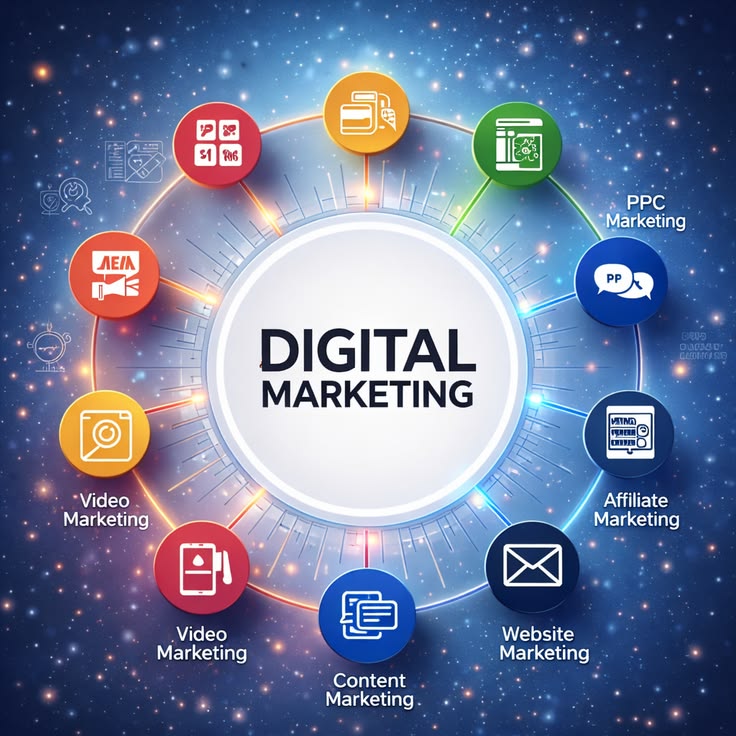
A career in digital marketing offers wide-ranging opportunities in today’s technology-driven landscape. As businesses increasingly move online, the demand for skilled marketers continues to rise, creating strong career potential in this field. Digital marketing covers key areas such as SEO, social media, content creation, email marketing, and PPC advertising, all focused on driving engagement, conversions, and brand growth through strategic online campaigns.
This dynamic field opens doors across industries—from startups to large organizations. Professionals can explore roles like SEO specialists, content marketers, social media managers, data analysts, and PPC experts. With constant advancements in tools and technologies, digital marketers have the opportunity to stay ahead of trends, making it a continuously evolving and rewarding career choice.
As demand continues to grow, digital marketing offers both job stability and the chance to work with innovative technologies while helping businesses achieve their online goals.
Advantages of Online Advertising
Online advertising provides businesses with numerous advantages, making it an essential part of digital marketing. As more people rely on the internet for information and shopping, online ads have become a powerful way to connect with target audiences effectively. With benefits like precise targeting and measurable performance, it plays a crucial role in driving successful marketing strategies.
Precise Targeting: Online advertising enables businesses to reach specific audiences based on demographics, interests, and behavior, ensuring ads are shown to the most relevant users. This targeted approach increases the likelihood of turning viewers into customers.
Cost-Effectiveness: Through methods like pay-per-click (PPC), businesses only pay when users interact with their ads, making it a budget-friendly option—especially for startups and small businesses.
Measurable Results: Digital advertising provides real-time performance data such as impressions, clicks, and conversions, allowing marketers to track, analyze, and improve campaign effectiveness.
Global Reach: Online ads help businesses connect with audiences worldwide, removing geographical barriers and expanding market opportunities.
Flexibility and Customization: Campaigns can be easily modified, tested, and optimized for different audience groups, ensuring better performance and higher engagement.
Real-Time Interaction: Users can instantly engage with ads by clicking, exploring offers, or making purchases, which increases immediate response and conversions.
Increased Brand Visibility: Online advertising enhances brand awareness by promoting visibility across search engines, social media platforms, and websites.
Better ROI: With improved targeting and higher conversion rates, digital advertising delivers stronger returns on investment compared to traditional marketing methods.
Steps to Get Started with Digital Marketing
Getting started with digital marketing can seem challenging, especially for beginners. However, when broken into simple steps, it becomes much easier to understand and apply. The following key steps will help you build a strong foundation and begin your journey into digital marketing effectively.
1.Define Clear Goals :
Before starting any digital marketing activities, it is essential to clearly outline your business goals. Whether your focus is on increasing brand awareness, boosting website traffic, or generating leads and sales, having well-defined and measurable objectives will shape your strategy and help you choose the most effective channels and methods.
2.Know Your Target Audience :
To build successful marketing campaigns, it is important to clearly understand your target audience. Analyze their demographics such as age, gender, and location, as well as their interests, behaviors, and challenges. Tools like Google Analytics, social media insights, and online surveys can help you collect valuable data. This understanding allows you to create more relevant messaging and select the most effective digital channels to reach them.
3.Establish a Strong Online Presence
Your online presence is a key foundation of digital marketing. Begin by optimizing your website to ensure it is user-friendly, mobile-responsive, and well-optimized for search engines (SEO). At the same time, build a strong presence on relevant social media platforms such as Facebook, Instagram, Twitter, or LinkedIn, depending on where your target audience is most active.
4.Understand the Core Digital Marketing Channels
Digital marketing consists of multiple channels, and understanding them is essential for building effective strategies. The main channels include:
- Search Engine Optimization (SEO): Improves your website’s visibility on search engines to attract organic traffic.
- Social Media Marketing: Helps you connect and engage with audiences on platforms like Facebook, Instagram, and Twitter.
- Content Marketing: Focuses on creating valuable blogs, videos, and other content to build trust and authority.
- Email Marketing: Used to nurture relationships with potential and existing customers through targeted messages.
- Pay-Per-Click (PPC) Advertising: Involves running paid ads on platforms like Google Ads and Facebook Ads to drive immediate traffic and results.
5.Create a Digital Marketing Strategy
Once you have clearly defined your goals and understood your target audience, the next step is to build a comprehensive digital marketing strategy. This plan should include the marketing channels you will use, the type of content you will create, your allocated budget, and a clear timeline for execution. It is also important to ensure your strategy aligns with your overall business objectives for maximum effectiveness.
6.Introduction to Digital Marketing :
Successful digital marketing depends on using the right tools to plan, manage, and optimize campaigns while monitoring performance effectively. Commonly used tools include:
Google Analytics: Used to track website traffic, user behavior, and overall performance.
Social Media Management Tools: Platforms like Hootsuite and Buffer help schedule posts, manage multiple accounts, and analyze engagement.
Email Marketing Platforms: Tools such as Mailchimp and Constant Contact enable businesses to create, automate, and send targeted email campaigns.
7.Begin Content Creation :
Content lies at the core of digital marketing. Whether it’s blogs, videos, infographics, or social media posts, focus on creating content that is valuable, relevant, and engaging for your audience. Ensure your content addresses their needs and interests while reflecting your expertise and brand voice.
8.Start Your Campaigns :
With your strategy defined and content prepared, it’s time to put your campaigns into action. Utilize multiple channels to promote your brand and offerings while keeping your audience’s needs at the forefront. Whether you’re running paid advertisements, publishing organic content, or sending email campaigns, ensure your messaging remains consistent and aligned across all platforms.
9.Track and Evaluate Performance :
Digital marketing provides the powerful advantage of real-time tracking and measurement. By using analytics tools, you can monitor how your campaigns are performing across different channels. Keep an eye on key metrics such as website traffic, conversions, engagement rates, and return on investment (ROI). These insights help you refine your strategy, optimize campaigns, and achieve better results over time.
10.Continuously Refine and Improve :
Digital marketing is a continuous process that requires ongoing improvement. Once your campaigns are live and delivering results, it’s important to regularly analyze performance, optimize strategies, and refine your approach. Techniques like A/B testing, updating your SEO efforts, and monitoring audience behavior help you stay competitive and drive consistent growth in the digital space.
Digital Marketing FAQs
Digital marketing is essential because it enables businesses to reach a wider audience, interact with customers in real time, and track campaign performance accurately. Compared to traditional marketing, it offers better targeting, greater flexibility, and more cost-effective results.
The key components of digital marketing include search engine optimization (SEO), pay-per-click (PPC) advertising, social media marketing, email marketing, content marketing, and affiliate marketing.
Digital marketing allows small businesses to compete effectively by reaching targeted audiences, lowering marketing expenses, and providing measurable results that can be used to improve and optimize future campaigns.
https://shorturl.fm/Ox9cN