
Why My Digital Marketing Resume Failed for 6 Months | If you’ve been applying for digital marketing jobs for months without getting interviews, the issue may not be your skills or experience it could be your resume. Discover the most common resume mistakes that prevent candidates from standing out and learn how to optimize your application to catch the attention of recruiters and hiring managers.
The issue is often not your qualifications or potential, but how effectively your experience and skills are showcased on your resume. Identifying the common reasons digital marketing job applications get rejected is the first step toward improving your resume and creating a more successful job search strategy.
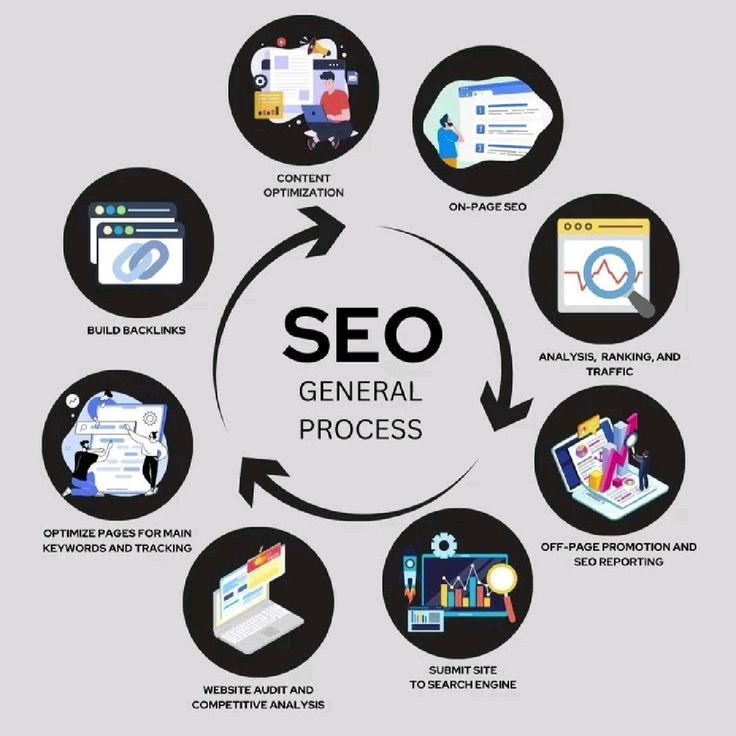
Why Digital Marketing Resumes Get Rejected by Recruiters
Hiring managers often spend only a few seconds reviewing a resume before deciding whether to continue reading. If your resume does not immediately highlight your skills, achievements, and value, it may be overlooked. Many job seekers still rely on outdated resume practices while failing to optimize their applications for modern applicant tracking systems (ATS) and the expectations of today’s recruiters.The Absence of AI and Automation Tools
The Absence of AI and Automation Tools
The digital marketing industry has evolved rapidly, with AI and automation becoming essential components of modern marketing strategies. Simply listing skills such as social media posting or basic content writing is often no longer enough to stand out. Many candidates are overlooked because their resumes fail to demonstrate expertise in the tools and technologies that employers now expect.
Today’s hiring managers seek professionals who can use artificial intelligence and automation to improve efficiency, scale marketing efforts, and make data-driven decisions.
Prompt Engineering: Crafting effective prompts to generate high-quality content, conduct audience research, and streamline creative workflows.
Marketing Automation: Using automation platforms to schedule campaigns, nurture leads, segment email audiences, and optimize repetitive tasks.
Predictive Analytics: Leveraging AI-powered insights and data analysis tools to forecast campaign outcomes, identify trends, and improve marketing performance.
Showcasing these skills on your resume can help demonstrate that you are prepared for the future of digital marketing and capable of delivering measurable results in an increasingly automated landscape.
Focusing on Responsibilities Instead of Achievements
One of the most common resume mistakes is focusing on daily responsibilities instead of measurable achievements. Recruiters are not looking for a list of tasks from your previous role—they want evidence of the results you delivered and the value you brought to the organization.
Task-Focused vs. Result-Focused Resume Examples
Task-Focused:
Managed the company’s Instagram account and published content regularly.
Result-Focused:
Increased Instagram engagement by 45% within three months through targeted video content and audience-focused campaigns.
Task-Focused:
Handled Google Ads campaigns for lead generation.
Result-Focused:
Optimized Google Ads campaigns, reducing cost-per-click by 12% while maintaining consistent lead volume.
Task-Focused:
Created blog content for the company website.
Result-Focused:
Published 15 SEO-optimized articles that contributed to a 30% increase in organic traffic over six months.
Whenever possible, quantify your achievements with metrics such as traffic growth, conversion rates, engagement increases, lead generation, or revenue impact. Results-driven resumes demonstrate your effectiveness and make a stronger impression on hiring managers.

Common Digital Marketing Resume Mistakes That Get Candidates Rejected
The way you apply for jobs can be just as important as the resume itself. Submitting the same generic resume to dozens of job postings significantly reduces your chances of getting noticed. One of the most common digital marketing job application mistakes is failing to tailor your resume and application to the specific role and company.
Recruiters and applicant tracking systems (ATS) look for relevant skills, keywords, and experiences that match the job description. Customizing your resume for each opportunity demonstrates genuine interest, highlights your most relevant qualifications, and increases the likelihood of securing an interview.
Why Your Resume Needs to Pass ATS Screening
Many medium and large organizations rely on Applicant Tracking Systems (ATS) to screen resumes before they reach a recruiter. If your resume contains complex layouts, multiple columns, graphics, text boxes, or unconventional fonts, the software may struggle to process the information correctly.
To improve ATS compatibility, use a clean, single-column format with clear section headings such as “Work Experience,” “Skills,” and “Education.” Equally important is incorporating relevant keywords from the job description. For example, if an employer is looking for “Search Engine Optimization (SEO)” skills but your resume only mentions “website traffic growth,” the ATS may not recognize the match and could rank your application lower.
Creating an ATS-friendly resume helps ensure your qualifications are accurately evaluated and increases the chances of your application reaching the hiring manager.
Failing to Tailor Your Resume to Industry-Specific Roles
Digital marketing is a broad field that encompasses multiple specialties, including SEO, PPC advertising, content marketing, social media management, email marketing, influencer outreach, and graphic design. Trying to present yourself as an expert in every area can make your resume appear unfocused and less compelling to recruiters.
Instead, tailor your resume to align with the specific role you are applying for. Create targeted versions of your resume that highlight the skills and achievements most relevant to each position. For example, one version may emphasize paid advertising and campaign optimization, while another focuses on content strategy, SEO, and organic growth.
A specialized and role-focused resume makes it easier for hiring managers to understand your expertise, increasing your chances of standing out as the ideal candidate for the position.
Why Your Digital Marketing Resume Isn’t Getting Interviews
Even when a resume is well-written and professionally formatted, other factors can influence a recruiter’s decision. Understanding why digital marketing job applications are rejected requires looking beyond the resume and evaluating your overall professional presence.
Recruiters often review additional elements such as your LinkedIn profile, online portfolio, personal website, certifications, and social media presence. If these assets are outdated, incomplete, or inconsistent with your resume, they can raise concerns and reduce your chances of moving forward in the hiring process. Maintaining a strong and cohesive professional brand across all platforms can significantly improve your credibility and job prospects.

Missing or Weak Project Portfolios
In digital marketing, tangible results carry far more weight than claims alone. Simply stating that you can manage campaigns or create marketing strategies is rarely enough—recruiters and hiring managers want to see proof of your work. A missing portfolio can be a significant disadvantage, as it may suggest a lack of hands-on experience or measurable achievements.
A strong digital marketing portfolio should clearly demonstrate your approach, execution, and results through real-world examples.
The Challenge:
Describe the problem, objective, or business goal the project aimed to solve.
The Strategy:
Explain the marketing channels, tactics, and reasoning behind your chosen approach.
The Execution:
Showcase examples of your work, such as campaign creatives, landing pages, content pieces, advertisements, or marketing funnels.
The Results:
Highlight key performance metrics, including conversion rates, click-through rates (CTR), return on ad spend (ROAS), lead generation, engagement growth, or organic traffic improvements.
A well-structured portfolio not only validates your skills but also demonstrates your ability to deliver measurable business outcomes.
Cultural Mismatch and Lack of Employability Skills
Technical expertise can help you stand out, but strong professional skills are often what ultimately secure the job. Many employers report that entry-level digital marketing candidates possess technical knowledge but lack the essential workplace skills needed to thrive in a fast-paced marketing environment.
Data Literacy:
The ability to analyze data, interpret reports, and transform raw metrics into actionable business insights that support strategic decision-making.
Cross-Functional Communication:
The skill to clearly explain marketing concepts, campaign results, and technical strategies to clients, managers, and stakeholders who may not have a marketing background.
Adaptability:
The capacity to quickly adjust strategies, learn new tools, and respond effectively to changes in search algorithms, advertising platforms, and evolving market trends.
Demonstrating these employability skills alongside your technical expertise can make you a more well-rounded candidate and increase your appeal to hiring managers.
Why Recruiters Reject Candidates After the Interview Stage
If your resume and application are strong enough to secure interviews but you are not receiving job offers, the challenge may lie in your interview performance. Being rejected after the interview stage often indicates that employers need more confidence in your communication skills, problem-solving abilities, or overall fit for the role.
Success in digital marketing interviews depends not only on your technical knowledge but also on how effectively you present your experience, explain your achievements, and demonstrate your value to the organization. Refining your interview strategy, improving your communication skills, and preparing clear examples of past successes can significantly increase your chances of advancing to the final hiring stage.
Avoid Treating Your Interview Like a Technical Test
A job interview is a professional conversation designed to assess your experience, problem-solving abilities, and communication skills—not simply a test of marketing knowledge. One of the most common digital marketing interview mistakes is focusing solely on definitions and theoretical concepts rather than sharing real-world examples.
When discussing a marketing strategy, avoid simply explaining what it is. Instead, demonstrate how you applied it in practice by using the STAR method (Situation, Task, Action, Result). This approach helps interviewers understand your thought process, decision-making skills, and the impact of your work.

Lack of Understanding of Key Business Metrics
Many job candidates focus heavily on metrics such as likes, shares, comments, and follower growth. While these indicators can reflect audience engagement, hiring managers are often more interested in the business impact behind the numbers.
One of the most common digital marketing hiring mistakes is failing to connect marketing activities to measurable business outcomes. Employers want to see that you understand how marketing efforts contribute to lead generation, customer acquisition, revenue growth, and overall business performance.
When discussing campaign results, go beyond engagement metrics and highlight how your strategies influenced key performance indicators (KPIs) such as conversions, return on investment (ROI), customer retention, sales growth, or cost-per-acquisition (CPA). Demonstrating a clear understanding of how awareness and engagement translate into revenue can significantly strengthen your credibility and make you a more attractive candidate.
How to Optimize Your Digital Marketing Resume for Better Results
If your current resume and qualifications are not generating interview opportunities, it may be time to strengthen your skills and gain more practical experience. Addressing common digital marketing resume mistakes often requires moving beyond theory and developing hands-on expertise that employers actively seek.
Many aspiring marketers build their knowledge through self-learning, but skill gaps can still exist in areas such as analytics, SEO, paid advertising, automation, and AI-powered marketing tools. Participating in a structured digital marketing training program can help you develop a well-rounded skill set while staying current with industry trends and technologies.
When evaluating courses or certification programs, prioritize those that include real-world projects, case studies, and practical assignments. These experiences allow you to showcase measurable results, campaign strategies, and portfolio-ready work instead of relying solely on theoretical knowledge.
By combining industry-relevant skills, practical experience, and documented project outcomes, you can create a stronger resume, build a compelling portfolio, and significantly improve your chances of securing interviews and job offers in the competitive digital marketing industry.